
NEWS & EVENTS

- Home
- News
- Products Information
- Applications of CaCO₃ Filler in Blown Membrane Technology
Applications of CaCO₃ Filler in Blown Membrane Technology
July 04,2026
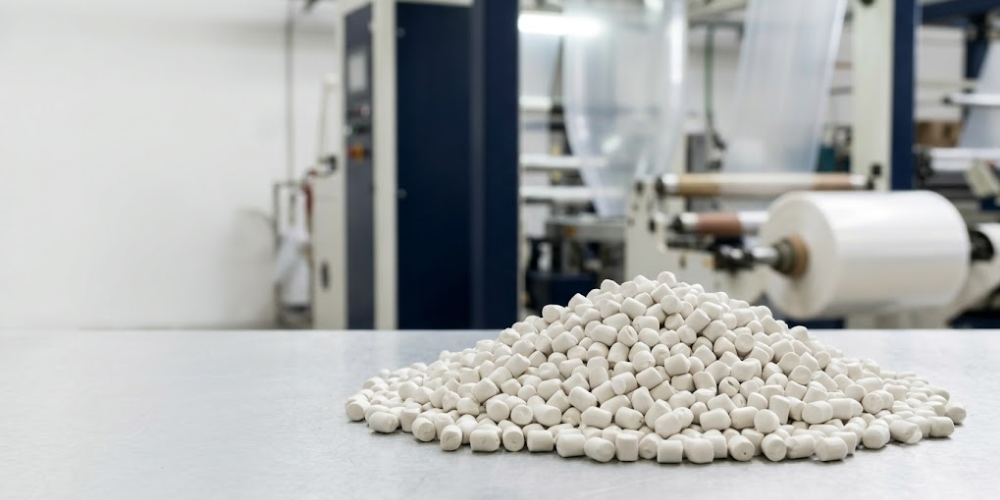
What Is CaCO3 Filler in the Film Blowing Industry?
CaCO3 filler is a natural mineral that is either ultra-finely ground or surface-treated to enhance its dispersion within plastic. In the film blowing industry, it is typically blended with a base resin—such as PE or PP—in the form of a filler masterbatch before being fed into the extruder. Thanks to its uniform particle size and high whiteness, CaCO3 disperses stably within the plastic matrix, facilitating a more efficient melting process and resulting in plastic films of consistent quality.
How CaCO3 Filler Is Used in the Film Blowing Process
1. Reduce Raw Material Costs
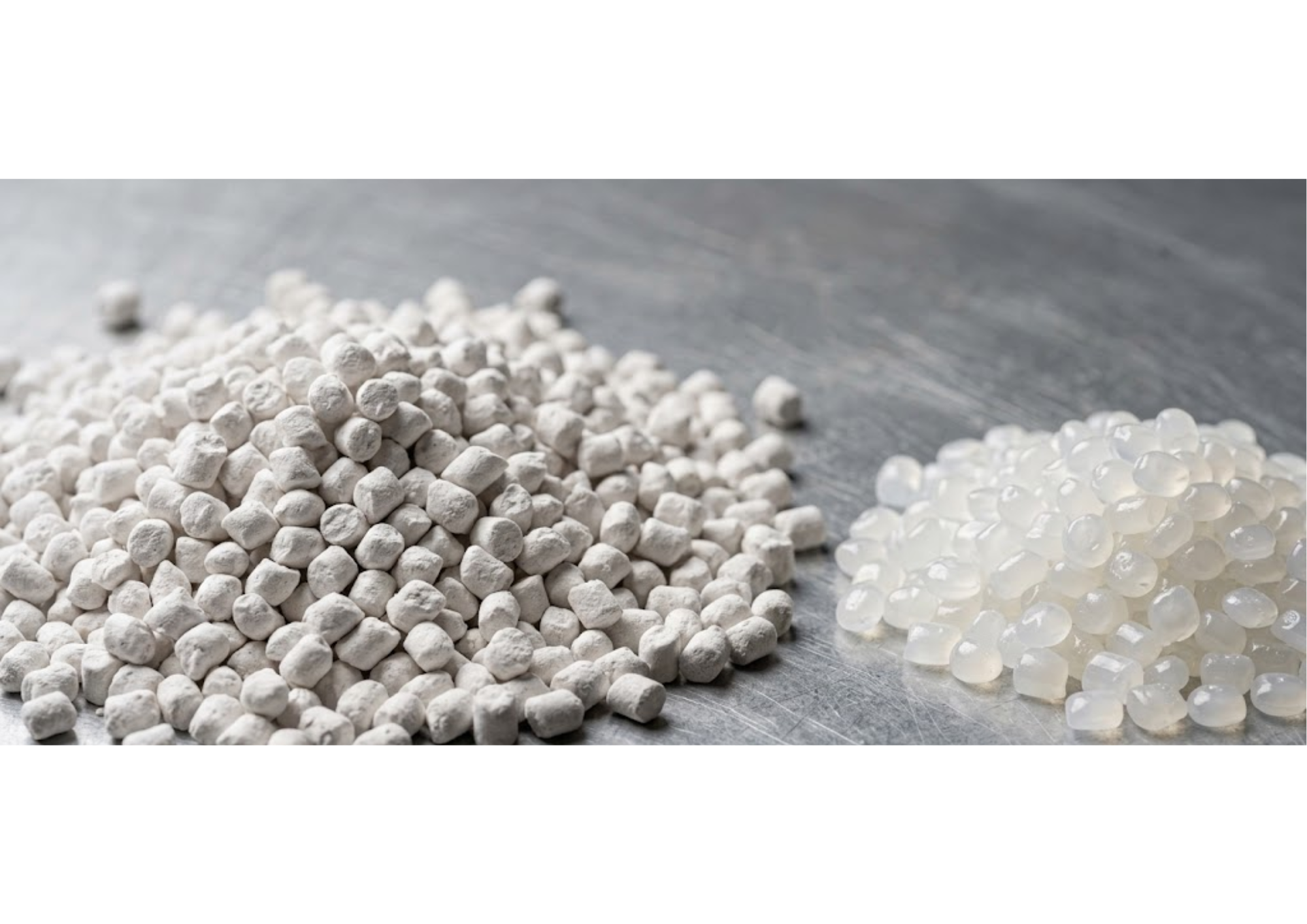
One of the most common reasons businesses use CaCO3 is to partially replace virgin plastic. When added in the appropriate proportion, CaCO3 helps reduce plastic consumption while maintaining the product's essential properties.
This helps businesses:
- Reduce production costs
- Reduce reliance on virgin plastic price fluctuations.
- Enhance market competitiveness
2. Machining Process Support
Thanks to its good thermal conductivity, CaCO3 filler enables the molten plastic to heat and cool more efficiently during the film blowing process. This contributes to:
• Shorten production time.
• Increase production line productivity.
• Reduces shrinkage or deformation in the finished product.
For large-scale manufacturing plants, optimizing equipment performance can yield significant benefits in terms of operating costs.
3.Product Surface Adjustment
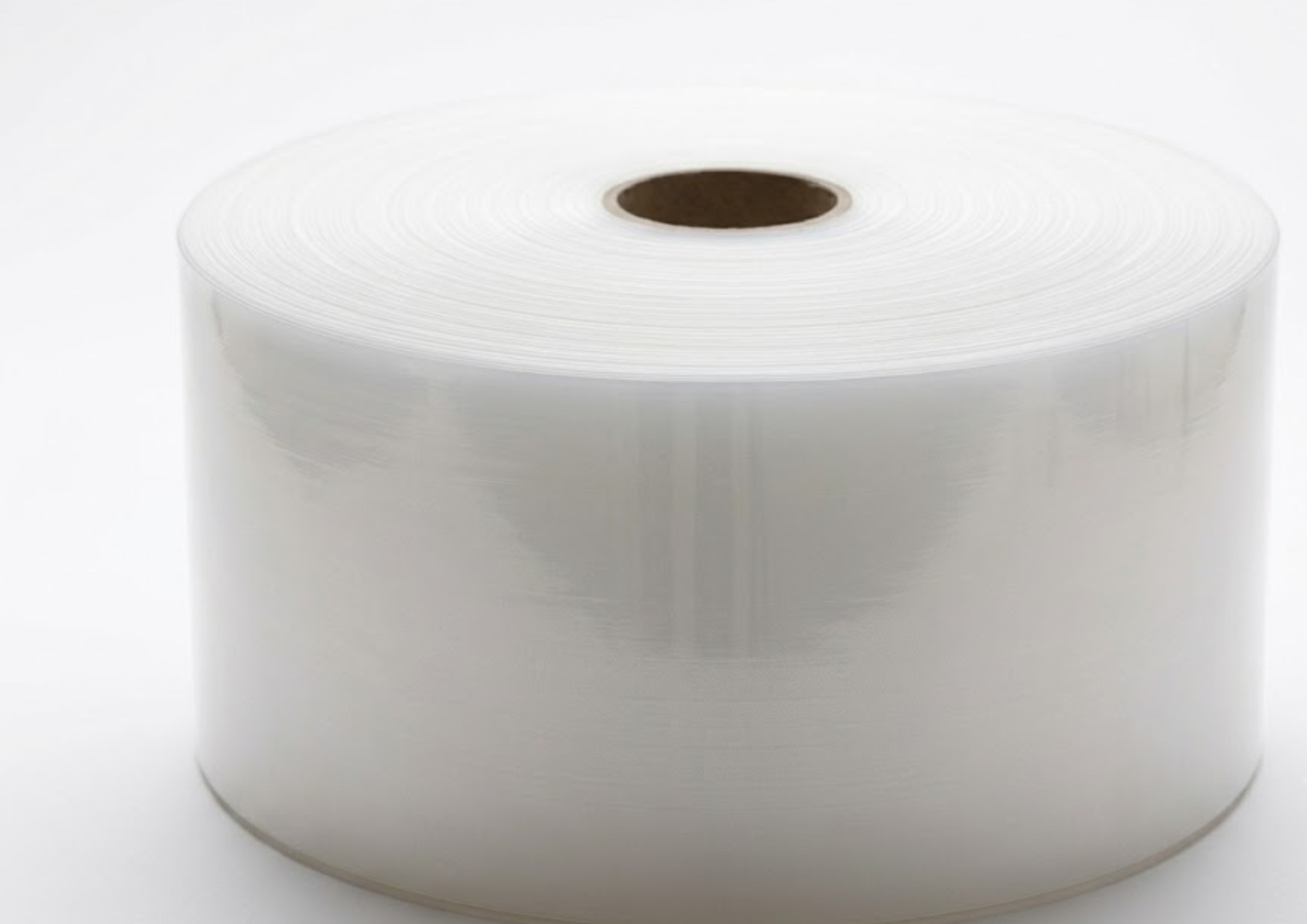
Depending on particle size and the mixing ratio, CaCO₃ can help create opacity or reduce the gloss of plastic films. This is a crucial factor for many types of packaging that require an attractive, highly aesthetic surface suitable for printing. Furthermore, selecting high-quality CaCO₃ helps minimize surface irregularities and production defects.
Considerations for using CaCO3 filler in film blowing
To achieve optimal results, businesses need to select the CaCO3 grade best suited to each specific application. Key factors to consider include:
- Fine particle size and uniform distribution
- High purity, low impurity content
- Good surface treatment capability to enhance compatibility with plastics.
- The mixing ratio meets the requirements for the film's durability, flexibility, and thickness.
Using an excessively high proportion of CaCO3 can affect the product's toughness and stretchability. Therefore, businesses should conduct trials and optimize the formulation for mass production.
Overview
CaCO3 filler plays a vital role in the plastic film blowing industry, helping not only to optimize raw material costs but also to improve production efficiency and enhance the quality of the final product. When the right type is selected and used at an appropriate dosage, CaCO3 contributes to the creation of highly stable plastic films that meet the requirements of various sectors, including packaging, agriculture, construction, and consumer goods. For businesses aiming to boost productivity, control costs, and maintain product quality, the use of CaCO3 filler represents an effective, sustainable solution that delivers long-term value in the manufacturing process.