
BLOG
- Home
- Blog
- Plastic Polymer Composite Article
- PVC Dip Coating Defects: Causes and How to Fix Them
PVC Dip Coating Defects: Causes and How to Fix Them
August 06,2026
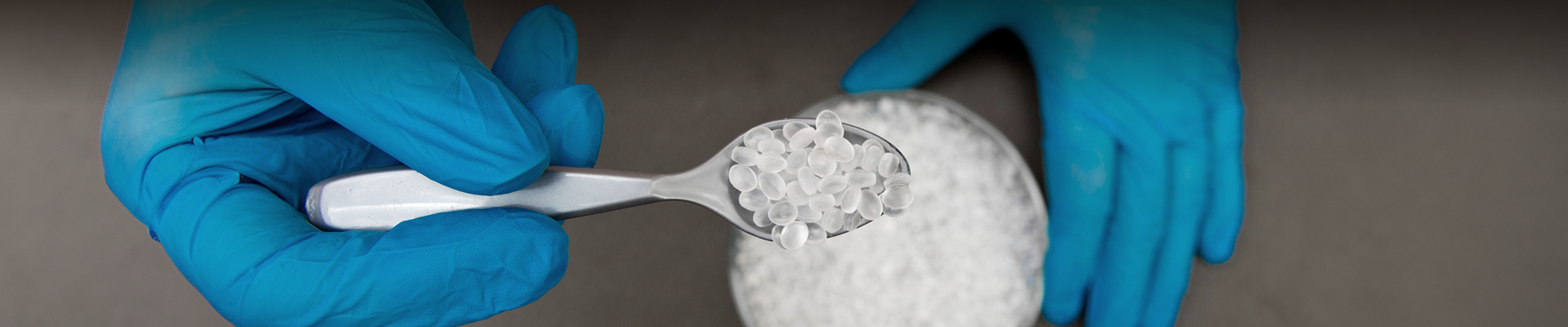
PVC dip coating defects are a persistent challenge for manufacturers, driving up reject rates, disrupting delivery schedules, and increasing operating costs. Resolving them effectively requires pinpointing the exact cause - whether it lies in raw materials, the plastisol formulation, or processing parameters. In this article, APEX Vietnam walks you through the most common defects and the corrective actions that actually work.
Factors Affecting PVC Dip Coating Quality
The quality of PVC dip-coated products depends on multiple variables throughout the process - from substrate preparation and plastisol compounding to heating and curing. Keeping all of these parameters under synchronized control is what delivers a coating with consistent thickness, good adhesion, and minimal defects.
Dip Time and Curing
Dip time governs how much resin builds up on the substrate and the resulting coating thickness. After dipping, the part must be heated so the liquid PVC plastisol gels and fully cures.
- Too short a dip time produces an under-thickness coating that fails to meet technical specifications.
- Insufficient curing time or temperature leaves the coating layer unstabilized, reducing both durability and adhesion.
.jpg)
Insufficient curing time can cause product defects
Pre-Dip Heating Temperature
The temperature of the mold or metal component directly determines how well the PVC coating forms. At the appropriate temperature range (typically 160 – 220°C), plastisol melts and adheres uniformly to the substrate.
- Overheating can cause resin scorching, discoloration, or air bubble formation.
- Insufficient heat results in an incomplete coating layer, rough surface texture, or peeling.
Plastisol Formulation
The plastisol compound largely determines the final product's performance. PVC resin, plasticizer, heat stabilizer, and functional additives must all be blended at the correct ratios. An unbalanced formulation can lead to oil bleeding, brittleness, discoloration, or reduced service life.
Viscosity and Dispersion of the Compound
Plastisol must maintain stable viscosity to ensure uniform coverage across the entire substrate surface.
- Viscosity too high produces an excessively thick coating, sagging streaks, or an uneven surface finish.
- Viscosity too low reduces coverage, especially at edges and corners.
- PVC particles and additives must be uniformly dispersed to prevent agglomeration or surface grit on the finished product.
Cooling and Substrate Surface Preparation
After curing, the part must be cooled following a controlled procedure to minimize shrinkage, warpage, or residual internal stress.
Equally important, the metal substrate must be thoroughly cleaned of grease, dust, and rust before dipping - this is a prerequisite for strong PVC adhesion and long-term coating stability.
.jpg)
The product should be cooled under an appropriate process
PVC Dip Coating Defects: 7 Causes and Fixes
The most common PVC dip coating defects include air bubbles, sagging, peeling, surface pitting, discoloration, brittleness, and coating cracks. Most can be identified visually or through a simple bend test on the shop floor before any parameter adjustments are made.
Air Bubbles on the Surface
Air bubble defects appear as small pinholes or blisters on the coating surface after curing. The primary causes are moisture on the metal substrate or trapped air in the plastisol that was not fully removed before dipping.
How to fix it:
- Lower the mold temperature to the standard range for the PVC grade in use.
- Reduce the withdrawal speed and the dwell time in the dip tank.
- Ensure the mold is completely dry before dipping.
.jpg)
Bubble defects appear as small holes or voids on the surface
Coating Too Thick or Too Thin
The most common cause is uneven mold temperature or plastisol viscosity that is either too high or too low.
How to fix it:
- Too thick: Lower the mold preheat temperature or increase the withdrawal speed.
- Too thin: Raise the mold temperature, reduce the dipping speed, or adjust the plasticizer ratio in the formulation.
Rough or Pitted Surface
An orange-peel effect or surface pitting reduces aesthetics and can compromise the coating's corrosion resistance. The usual cause is PVC contaminants in the plastisol bath or dust on the mold surface prior to dipping.
How to fix it:
Filter the plastisol regularly to remove sediment and foreign particles, and clean the dip tank on a scheduled maintenance basis. Control airborne dust in the production area with an air filtration system, particularly around the dipping and curing zones.
.jpg)
The product surface is uneven, showing an orange peel effect
Peeling or Poor Adhesion
Coating delamination is caused by inadequate substrate preparation: residual grease, rust, or oxide layers on the metal surface prevent the plastisol from bonding directly to the substrate.
How to fix it:
Thoroughly degrease and clean the metal surface before preheating. Verify that the mold temperature is sufficient to melt the plastisol layer on direct contact.
Discoloration
Yellowing or darkening of PVC after curing is a clear sign of thermal degradation. When the curing temperature is too high or the curing time is excessive, PVC begins releasing HCl - causing the polymer chain to lose conjugated double bonds and develop yellow-to-dark-brown coloration.
How to fix it:
Measure and recalibrate oven temperature sensors. Reduce the curing temperature by 5 – 10°C and shorten the curing time, then monitor product color across 3 – 5 consecutive batches.
.jpg)
The color of the dip-coated plastic changes and becomes uneven
Coating Cracks After Short Service
This PVC dip coating defect may result from insufficient plasticizer content or overly rapid cooling.
How to fix it:
Increase the plasticizer content in the formulation and switch the cooling method from sudden cold-water quenching to natural air cooling.
Sagging or Flow Lines
Sagging occurs when an overly thick coating forms drip marks after curing. This defect is often caused by low plastisol viscosity or slow withdrawal and cooling rates, allowing the resin to flow downward.
How to fix it:
Review the raw material blend ratios, gradually increase the mold preheat temperature so the resin sets faster on contact, and increase the withdrawal speed.
Improving Dip Coating Quality with PVC Additives
Using the right PVC additives proactively improves adhesion, aging resistance, flexibility, gloss, and thermal stability in dip-coated products - reducing reject rates at the formulation stage rather than reacting to defects after they appear on the line.
As a leading supplier of high-performance plastic additives, APEX Vietnam delivers customized solutions engineered to each manufacturer's specific technical challenges. Our comprehensive additive system covers high-efficiency heat stabilization to prevent yellowing, viscosity optimization, and effective crack resistance.
Beyond supplying internationally certified products, APEX's engineering team is ready to work alongside your production team to fine-tune compounding formulas, resolve recurring defects, and maximize throughput.
.jpg)
APEX specializes in supplying optimized additives for the plastics industry.
PVC dip coating defects can originate from many sources - plastisol formulation, raw material quality, and processing parameters such as temperature, dip time, and curing conditions. Identifying the root cause early allows manufacturers to cut reject rates, stabilize product quality, and optimize production costs. Contact APEX Vietnam for specialized additive consultation and expert engineering support.