
NEWS & EVENTS

- Home
- News
- Products Information
- What Do Businesses Gain from Switching from Aluminum Packaging to Plastic Packaging?
What Do Businesses Gain from Switching from Aluminum Packaging to Plastic Packaging?
May 19,2026
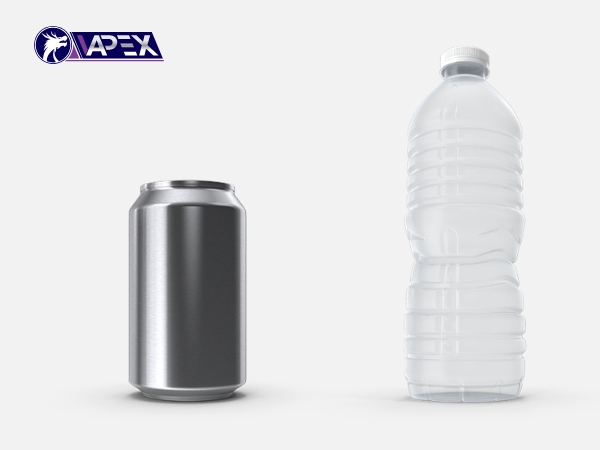
Switching from aluminum packaging to plastic packaging helps reduce production costs, improve design flexibility, and lower transportation weight. Plastic packaging is often preferred thanks to its sharp printing capability, good durability, and lower raw material costs compared to specialized aluminum films. Join APEX Vietnam in exploring the benefits businesses can gain from this growing trend!
Why Businesses Should Switch from Aluminum Packaging to Plastic Packaging?
As businesses increasingly focus on cost optimization, production flexibility, and logistics efficiency, plastic packaging is becoming a strategic alternative for many applications that traditionally relied on aluminum.
Optimize Production and Raw Material Costs
Plastic materials such as PE and PP typically offer far more competitive pricing compared to pure aluminum. Switching from aluminum packaging to plastic packaging helps businesses significantly reduce material investment costs, especially in large-scale industrial production.
In addition, plastic film processing requires less energy consumption, helping lower the cost per product unit. This creates a strategic advantage for businesses to improve profit margins while still maintaining packaging quality.
Greater Design Flexibility and Product Visibility
Plastic materials open up endless creative possibilities thanks to their strong compatibility with modern printing technologies such as Flexo and Gravure printing. Unlike aluminum, which has an opaque surface, plastic packaging allows transparent sections so customers can directly view the product inside.
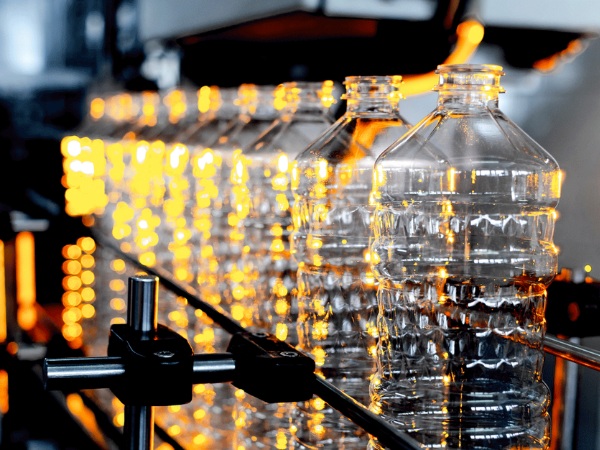
Plastic packaging offers design versatility and excellent visibility
Switching from aluminum packaging to plastic packaging also helps businesses optimize marketing effectiveness, making products more visually appealing and easier to capture consumer attention on store shelves.
High Flexibility and Strong Mechanical Durability
Thanks to their flexibility and excellent impact resistance, plastic packaging materials can significantly minimize cracking, breaking, or deformation under strong impacts. This makes them especially suitable for fast-moving consumer goods that require continuous handling and transportation. As a result, businesses can reduce product damage rates and improve overall operational efficiency.
Logistics Efficiency and Reduced Transportation Load
The ultra-lightweight nature of plastic is a key factor in optimizing the entire supply chain and logistics process. Reducing packaging weight helps businesses save considerably on fuel and transportation costs for each shipment. In addition, plastic packaging generally requires less storage space compared to traditional packaging solutions, allowing companies to maximize warehouse capacity more efficiently.
Limitations to Consider When Replacing Aluminum Packaging
Although switching from aluminum packaging to plastic packaging offers many advantages in terms of cost and operational efficiency, businesses should also carefully evaluate potential risks related to product preservation quality and brand positioning.
Gas Barrier Performance and Permeability
While plastic packaging provides many benefits, its natural gas barrier performance is still lower than that of aluminum. Common single-layer plastics such as PE and PP typically allow a certain level of oxygen and moisture permeability over time.
To overcome this limitation, businesses need to invest in multilayer film structures or incorporate specialized barrier layers such as EVOH. Choosing advanced material solutions helps better protect products and effectively prevent negative environmental impacts.
Impact on Product Shelf Life
The lower barrier properties of plastic materials may directly affect product shelf life if the packaging structure is not properly optimized. A shorter shelf life can place significant pressure on distribution planning, inventory management, and market expansion strategies.
This is especially critical for long distribution channels or export products, where businesses must carefully calculate and design the appropriate packaging structure.
Positioning Premium Product Segments
For pharmaceutical products or premium food products that require strict preservation standards, aluminum packaging still maintains a strong advantage in terms of safety and protection performance. Plastic packaging may face certain challenges in penetrating the premium segment without significant innovation in material quality and design.
Businesses therefore need to carefully balance cost efficiency with brand positioning objectives in order to choose the most suitable packaging solution.
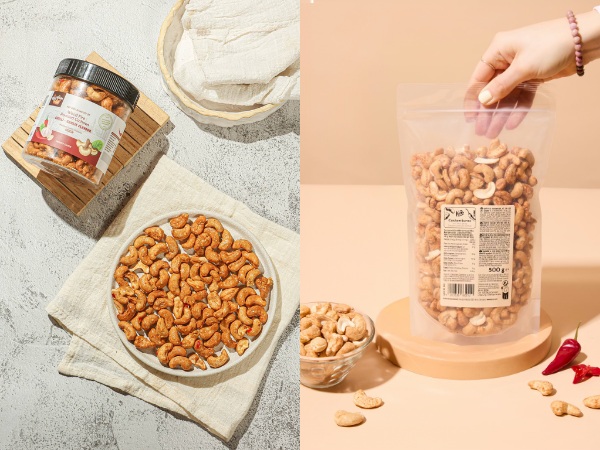
Plastic packaging must be eye-catchingly designed to appeal to high-end customers
Optimize Plastic Packaging with CaCO₃ Filler from APEX Vietnam
Not every product requires the absolute moisture and gas barrier performance offered by aluminum packaging. For many industries, selecting a material that is “fit for purpose” based on specific product characteristics allows businesses to optimize costs while still maintaining product quality throughout the distribution lifecycle.
Businesses can also proactively adjust material structures to achieve the desired performance. Among these solutions, calcium carbonate filler is considered one of the key factors helping companies optimize both cost efficiency and the functional properties of plastic packaging. The application of CaCO₃ not only reduces dependence on virgin plastic resins but also delivers several significant improvements:
- Optimize raw material costs: Partially replaces virgin plastics such as PE, PP, and PVC, helping businesses better control production costs in large-scale manufacturing.
- Enhance stiffness and durability: Improves rigidity, flexural strength, and impact resistance, making packaging more stable during transportation and storage.
- Improve surface quality: High whiteness and smooth surface characteristics increase aesthetic appeal and support sharper printing quality.
- Optimize the production process: Enhances thermal conductivity, helping shorten processing cycles, increase productivity, and improve material flow control.
- Flexible applications: Suitable for various packaging solutions such as plastic films, flexible packaging, bags, and other technical plastic products.