
BLOG

- Home
- Blog
- Plastic Polymer Composite Article
- Coated vs Uncoated Calcium Carbonate Powder
Coated vs Uncoated Calcium Carbonate Powder
October 07,2026
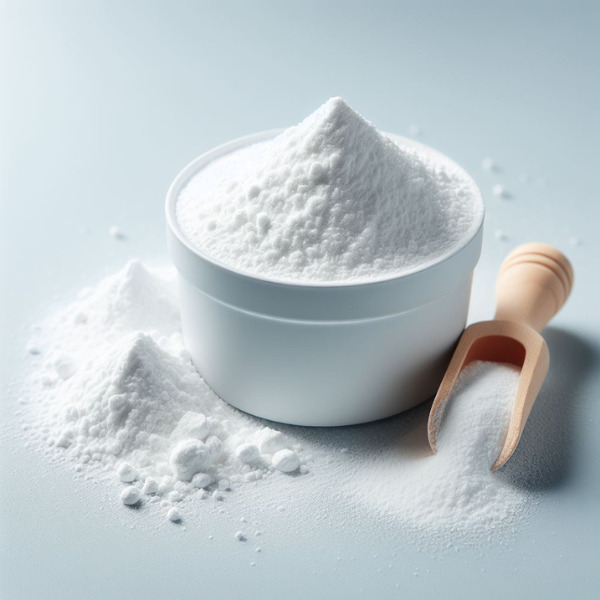
CaCO₃ powder is widely used across many industries such as plastics, paints, paper, rubber, and construction materials. Depending on surface characteristics, products are classified into coated and uncoated calcium carbonate powder, each with different advantages, dispersibility, and application ranges. Understanding the difference between the two types helps businesses select the raw material that best fits their production technology and finished product requirements.
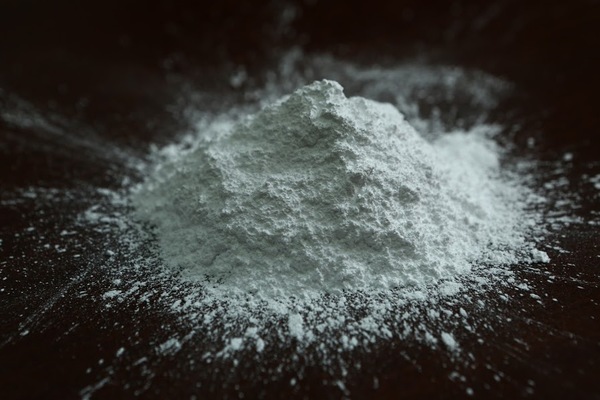
Coated vs uncoated calcium carbonate powder
What Is Uncoated Calcium Carbonate Powder?
Uncoated calcium carbonate powder is an ultra-fine Calcium Carbonate product ground directly from natural white limestone (Calcite) and classified by particle size using a modern air-classification system. This product fully retains the natural physical and chemical properties of limestone without undergoing any surface treatment with chemical additives.
- Surface properties: Naturally hydrophilic in nature.
- Inherent drawback: Because the surface contains polar hydroxyl groups, the powder particles are difficult to make compatible with low-polarity organic substrates such as polymers. When mixed into plastic, they tend to agglomerate, creating harmful voids within the product structure.
- Common applications: Best suited for industries where the dispersion medium is water or polar solvents. Examples include paper production (as a filler and coating pigment), water-based paint, construction materials (dry mortar, plastering mortar, self-leveling concrete), and natural rubber.
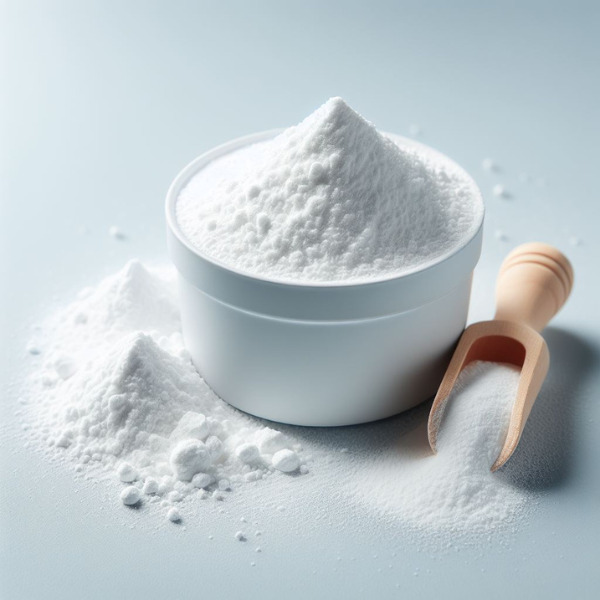
Uncoated calcium carbonate powder is ultra-fine Calcium Carbonate ground from natural limestone
What Is Coated Calcium Carbonate Powder?
Coated calcium carbonate powder is an ultra-fine Calcium Carbonate product whose surface has been treated with an ultra-thin layer of specialized organic additive during or after the grinding process. The most common surface-activating compound is Stearic Acid (a fatty acid) or its salts, such as Sodium Stearate.
- Surface properties: Fully converted from hydrophilic to hydrophobic.
- Key advantage: The fatty acid coating acts as a bridge. One end binds tightly to the surface of the CaCO₃ particle, while the other end faces outward and bonds closely with the organic polymer chains. This mechanism completely eliminates electrostatic attraction between the powder particles, preventing agglomeration and ensuring absolutely uniform dispersion within the substrate.
- Common applications: A required or optimal raw material in the plastics industry (PVC pipes, packaging-grade PE and PP resins, engineering plastics), masterbatch (color/filler masterbatch), high-grade synthetic rubber, and anti-corrosive oil-based paints.
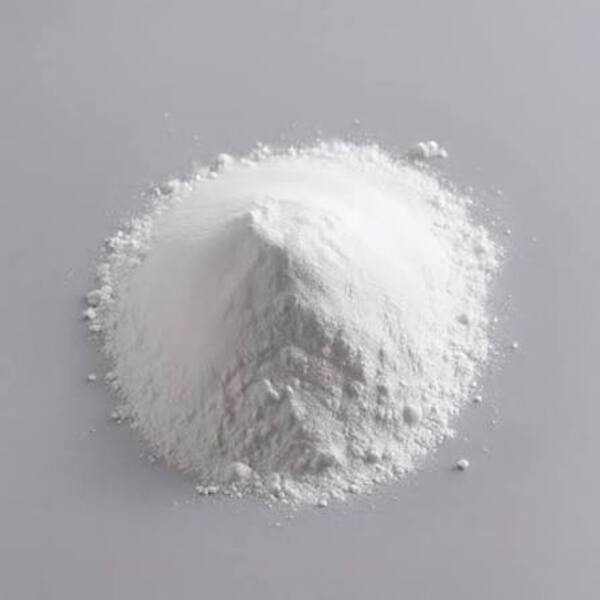
Coated calcium carbonate powder is ultra-fine CaCO₃ with a surface treated by an ultra-thin additive layer
Detailed Comparison Table: Coated and Uncoated Calcium Carbonate Powder
For a quick overview before diving into a deeper technical analysis of production line operations, below is a comparison table between the two material types:
|
|
|
|
|
|
|
|
|
|
|
|
|
|
|
|
|
|
|
|
|
|
|
|
|
|
|
|
|
|
|
|
|
|
|
|
|
|
|
|
|
|
|
|
|
|
|
|
|
|
|
|
|
|
|
Which Type of Calcium Carbonate Powder Should Businesses Choose?
To optimize raw material costs, maintain product quality, and minimize impact on the production line, businesses need to select calcium carbonate powder based on the base material, processing technology, and technical requirements of the product. Below are the cases suited to each type of powder.
Choose coated calcium carbonate powder when:
- Manufacturing products from PVC, PE, PP, or engineering plastics.
- Needing to increase the filler ratio to reduce virgin plastic usage.
- Wanting the powder to disperse well and resist agglomeration.
- Needing to reduce friction during extrusion or injection molding.
- The finished product requires a smooth, uniform surface.
Choose uncoated calcium carbonate powder when:
- Working with water-based systems such as water-based paint or paper production.
- Manufacturing putty, tile adhesive, or dry mortar.
- Using it in rubber, fertilizer, or animal feed.
- The finished product has no high mechanical property requirements.
- Prioritizing optimization of raw material input costs.
No single type of calcium carbonate powder is universally superior; the right choice depends on the plastic base, processing technology, and requirements of each product. Understanding the difference between coated and uncoated calcium carbonate powder helps businesses build an appropriate formulation, improve production efficiency, and optimize costs.
VNAPEX supplies both coated and uncoated CaCO₃ calcium carbonate powder with a wide range of technical specifications, meeting diverse needs in the plastics industry. Businesses can contact VNAPEX via hotline 0274 362 0911 for consultation on selecting the right product for their production technology and goals.