
BLOG
- Home
- Blog
- Plastic Polymer Composite Article
- Adhesive bond strength and influencing factors
Adhesive bond strength and influencing factors
August 06,2026
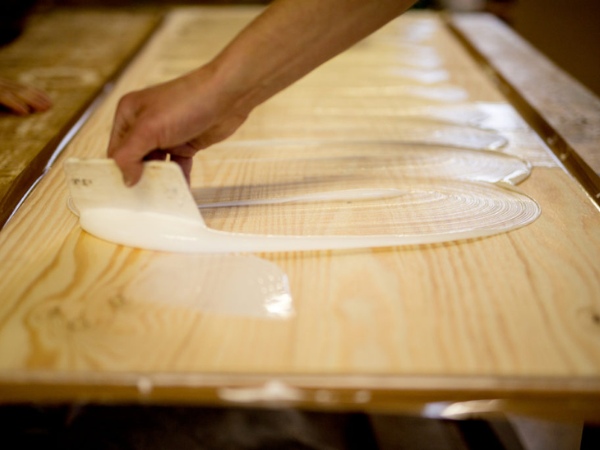
In adhesive manufacturing, bond strength is one of the key factors determining product quality and performance. Besides resins and binders, fillers, additives, and mixing processes also significantly affect adhesive bonding. Understanding the factors that influence adhesive bond strength helps businesses optimize formulations and improve product quality.
.jpg)
Adhesive bond strength and influencing factors
Mechanisms of adhesive bond strength
To create a durable bond, an adhesive must interact comprehensively with the substrate surface at the molecular level. Adhesive bond strength is formed through three main physicochemical mechanisms:
- Mechanical bonding: In its liquid state, the adhesive penetrates pores, microcracks, and microscopic surface irregularities of the substrate. After curing, the adhesive forms mechanical interlocks that firmly hold the two surfaces together.
- Chemical bonding: Functional groups in the adhesive molecules react directly with functional groups on the substrate surface. This process forms covalent bonds or hydrogen bonds with extremely high strength.
- Diffusion forces: Long polymer chains of the adhesive and the substrate (if they are chemically compatible) diffuse and interpenetrate each other within the interfacial region.
.jpg)
Adhesive bond strength forms when the adhesive contacts the substrate surface
Factors that negatively affect adhesive bond strength
Adhesive bonding performance varies depending on surface conditions and adhesive formulation. Below are the key factors that directly reduce bond quality and should be carefully considered by manufacturers:
Condition and properties of the substrate surface
Adhesive bond strength largely depends on the contact between the adhesive layer and the substrate. Dust, grease, moisture, or other contaminants can create a barrier layer that prevents effective bonding.
In addition, surface roughness and surface energy also affect adhesive wetting performance. Materials with low surface energy, such as PP, PE, and PTFE, are generally more difficult to bond because the adhesive cannot fully wet the surface.
Environmental conditions during application
Temperature and humidity can significantly affect adhesive bonding performance. High humidity may cause moisture condensation on the substrate surface or interfere with the curing process of certain adhesive systems.
.jpg)
Environmental factors can also affect adhesive bond strength
Meanwhile, excessively low temperatures can increase viscosity and reduce adhesive wetting ability, whereas excessively high temperatures may accelerate solvent evaporation or alter the structure of the cured adhesive film.
Non-uniform dispersion in adhesive formulations
In industrial adhesive production, non-uniform dispersion of the base resin, additives, and fillers can create stress concentration zones or micro-defects within the adhesive film. This reduces the uniformity of the cured adhesive layer, compromises mechanical strength, and increases the risk of delamination or cracking under load.
Calcium Carbonate Powder – A Solution for Improving Adhesive Stability and Bond Strength
In many adhesive formulations, calcium carbonate (CaCO₃) powder is used as a functional filler to improve product stability. As a result, the adhesive film maintains better bonding performance with substrate surfaces, contributing to improved bond strength and long-term durability.
APEX Vietnam is a supplier of inorganic powder solutions that meet international technical standards. With years of experience in the industrial minerals sector, APEX Vietnam provides calcium carbonate powder products that meet the requirements of adhesive manufacturers across various industries.
- Consistent particle size: Ensures uniform dispersion within the adhesive system, minimizes agglomeration, and supports the formation of a homogeneous adhesive film.
- High purity: High CaCO₃ content and low impurity levels help maintain the mechanical properties and stability of the cured product.
- Diverse product range: Offers both uncoated calcium carbonate powder (ground calcium carbonate) and stearic acid-coated calcium carbonate powder, suitable for a wide variety of adhesive and bonding formulations.
- Stable supply: Modern manufacturing facilities located in the Dat Cuoc Industrial Park ensure continuous production capacity and consistent quality across batches, enabling reliable manufacturing operations.
- Formulation optimization support: Works closely with manufacturers to optimize rheological properties, improve the efficiency of inorganic filler utilization, reduce internal stress, and enhance adhesive bond strength.
.jpg)
APEX Vietnam is a leading supplier of high-quality CaCO₃ powder
To maintain consistent adhesive bond strength, manufacturers need to carefully control factors such as substrate surface quality, curing shrinkage, and raw material dispersion within the formulation. In addition, the use of high-quality CaCO₃ powder helps improve adhesive system stability and final product quality. For consultation on calcium carbonate powder solutions for the industrial adhesive industry, please contact APEX Vietnam for support.