
NEWS & EVENTS

- Home
- News
- Products Information
- Decoding Resin Identification Codes – Which Plastics Are Safe?
Decoding Resin Identification Codes – Which Plastics Are Safe?
May 18,2026
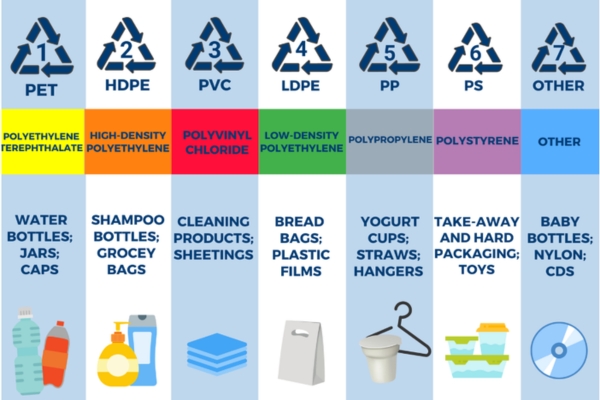
The Resin Identification Code system, numbered from 1 to 7, provides specific information about heat resistance as well as the risk of chemical leaching associated with each type of plastic material. In the article below, APEX Vietnam breaks down the characteristics of each plastic type in detail, helping you identify which plastics are safe and which ones require caution during use.
What does the Resin Identification Code mean?
The Resin Identification Code (the triangular symbol containing numbers from 1 to 7) is a plastic identification system (RIC) used to classify plastics based on their chemical composition for recycling purposes and to determine their safety level during use. These symbols indicate the type of plastic, heat resistance, potential chemical leaching, and safety when used for food storage.
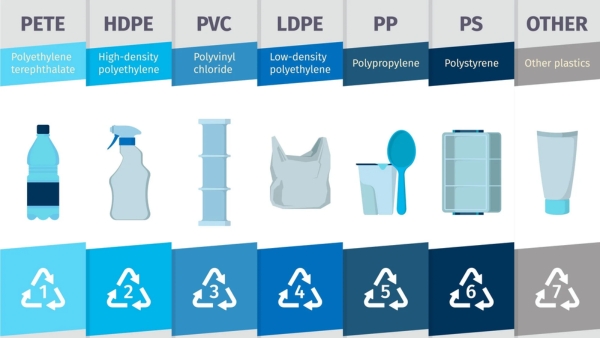
The symbols for different types of plastics are a system of plastic identification codes
Understanding the Detailed Meaning of Each Plastic Type
Resin Identification Codes are classified from numbers 1 to 7, with each type having distinct characteristics, applications, and safety levels as follows:
PET Plastic – Code No. 1
- Characteristics: Transparent, lightweight, excellent gas barrier properties, and heat resistance of approximately 60 – 70°C.
- Applications: Mineral water bottles, soft drinks, food packaging, etc.
- Safety: Single-use only. Potential antimony leaching may occur if reused or used for hot contents.
- Recycling: Recyclable but requires specialized processing (ASTM D7611); commonly recycled into synthetic fibers or carpets.
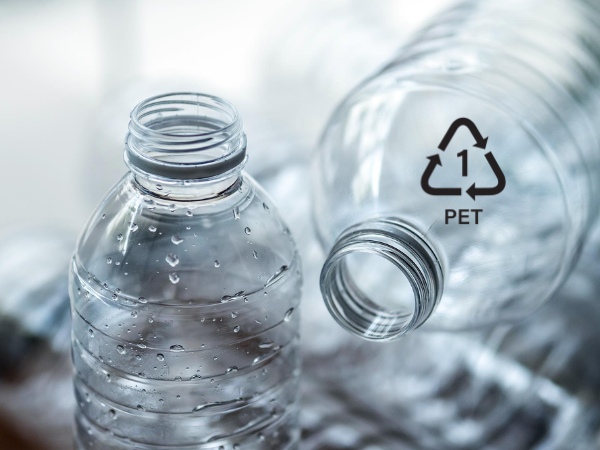
PET Plastic – Code No. 1
HDPE Plastic – Code No. 2
- Characteristics: Opaque, rigid, chemical-resistant, with heat resistance of approximately 100 – 110°C.
- Applications: Milk jugs, shampoo bottles, detergent containers, etc.
- Safety: Ranked as the safest plastic, BPA-free, and microwave-safe.
- Recycling: Highly recyclable (60 – 70% rate); commonly repurposed into plastic pipes, toys, or new bottles.
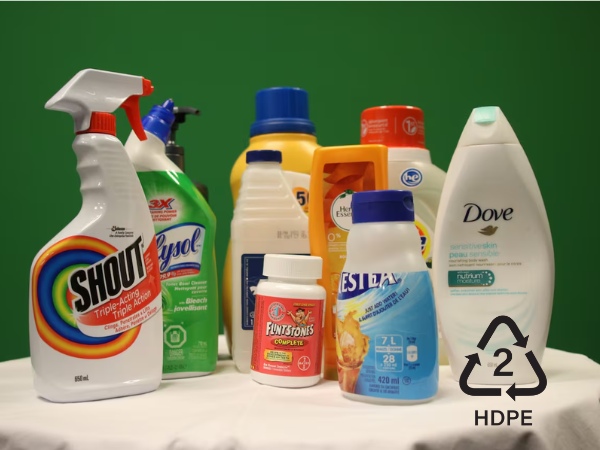
HDPE Plastic – Code No. 2
PVC Plastic – Code No. 3
- Characteristics: Flexible (when plasticizers are added) or rigid, durable, and highly water-resistant.
- Applications: Water pipes, electrical cables, plastic films, raincoats, etc.
- Safety: Contains toxins (phthalates and dioxins); not recommended for storing or contacting hot food.
- Recycling: Rarely recycled due to complex processing requirements and high environmental impact.
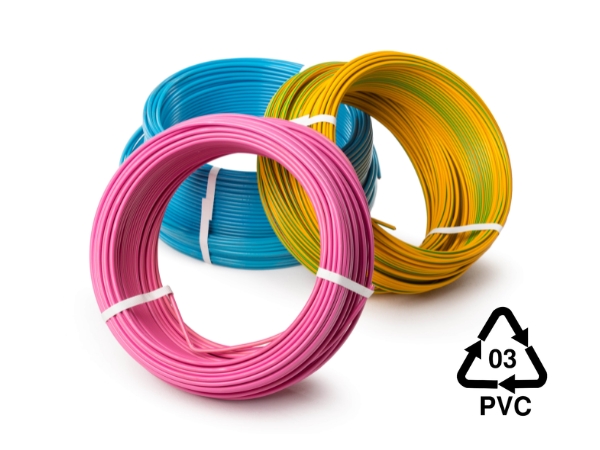
PVC Plastic – Code No. 3
LDPE Plastic – Code No. 4
- Characteristics: Soft, flexible, excellent moisture resistance, and low heat resistance (~90°C).
- Applications: Plastic bags, cling wrap, cable insulation, and shopping bags.
- Safety: Food-safe at room or cold temperatures; not recommended for microwave use.
- Recycling: Recyclable but less common than HDPE/PET; typically repurposed into trash bags or shipping materials.
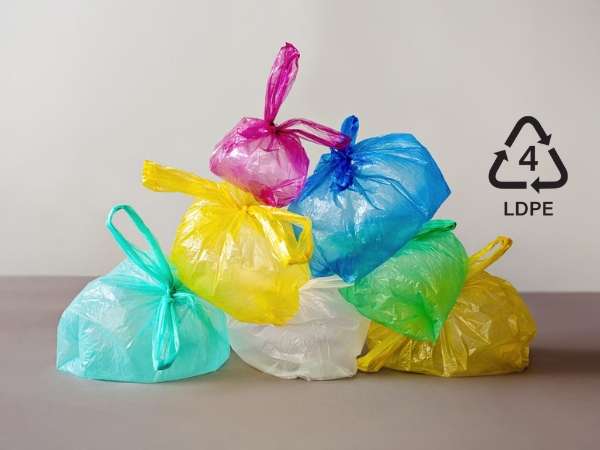
LDPE Plastic – Code No. 4
PP Plastic – Code No. 5
- Characteristics: Transparent, high heat resistance (above 100°C), and BPA-free.
- Applications: Lunch boxes, yogurt cups, premium baby bottles, and bottle caps.
- Safety: Microwave-safe, provided the product carries a “microwave-safe” label.
- Recycling: Highly recyclable; commonly repurposed into battery cases, plastic brooms, or industrial fibers.
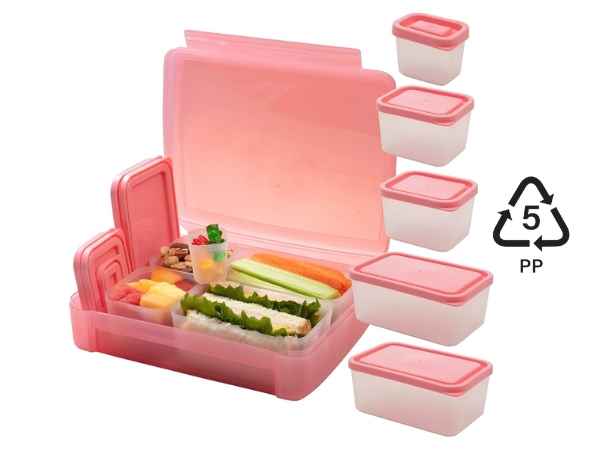
PP Plastic – Code No. 5
PS Plastic – Code No. 6
- Characteristics: Lightweight, brittle, and low heat resistance.
- Applications: Foam food containers, disposable coffee cups, and egg trays.
- Safety: Do not use for hot, highly acidic, or strongly alkaline foods to prevent chemical leaching.
- Recycling: Difficult to recycle; disposal or incineration may release CFCs that damage the ozone layer.
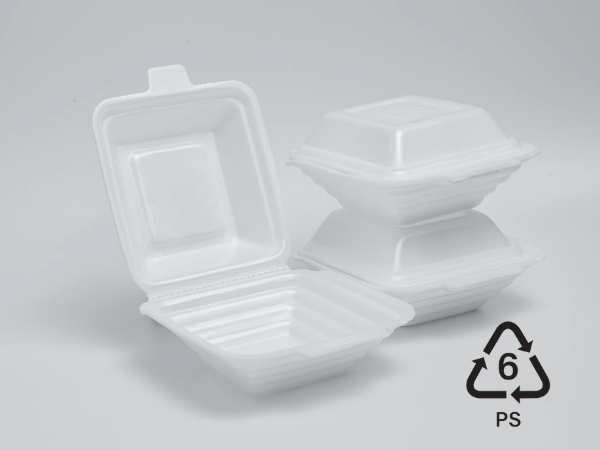
PS Plastic – Code No. 6
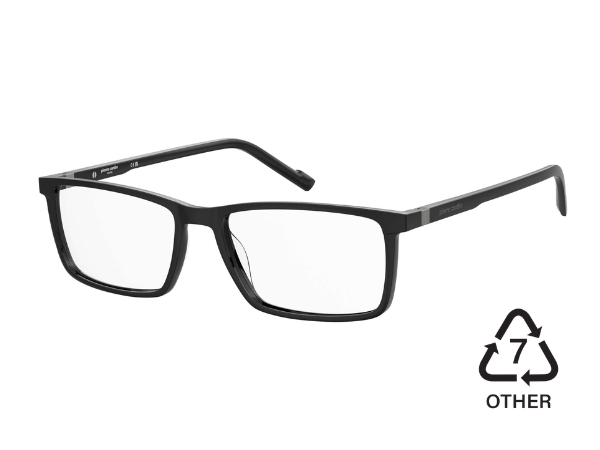
PC Plastic – Code No. 7 or Other (Unmarked)
- Characteristics: Transparent, rigid, and high impact resistance. Most PC plastics within this group contain Bisphenol A (BPA).
- Applications: Sport water bottles, eyewear, computer cases, and premium food storage containers.
- Safety: Exercise caution. Use only if labeled "BPA-Free." Avoid using for boiling water or hot food unless specifically designated by the manufacturer.
- Recycling: Extremely difficult to recycle with a high risk of environmental contamination.
PC Plastic – Code No. 7
Which Plastic Codes Are Safe?
No plastic is "absolutely safe" in every scenario; however, they can be categorized based on recommended usage levels. The safest Resin Identification Codes for food and beverage storage are 5 (PP), 2 (HDPE), 4 (LDPE), and 1 (PET/PETE). Among these, Code 5 (Polypropylene) is considered the safest due to its superior heat resistance.
It is essential to avoid Code 3 (PVC) and limit the use of Code 6 (PS) for hot food to prevent the risk of toxic leaching when exposed to high temperatures.
How to Identify Resin Identification Codes on Product Packaging
You can quickly identify these codes through the following features:
- The Triangle Symbol: A triangle formed by three arrows containing a number from 1–7 (RIC), typically located on the bottom or side of the product.
- Abbreviations: The plastic type’s abbreviation (such as PET, HDPE, PP, etc.) may be printed directly below the symbol.
Note: This triangular symbol is used strictly for plastic classification and does not guarantee that the product is inherently recyclable.
Safe Plastic Trends: What Should Businesses Do?
Competitive pricing is no longer a sustainable advantage if products lack safety standards and material transparency. To adapt, businesses must start at the root: controlling raw materials and optimizing material properties for specific applications.
This is the exact direction APEX Vietnam pursues. We provide quality-controlled plastic resins and additives tailored for diverse food packaging and industrial applications.
Why Choose APEX Vietnam?
- Consistent Material Quality: Products such as PE Masterbatch and PP Masterbatch are manufactured on modern production lines, ensuring stable dispersion and physicochemical properties.
- Commitment to Safety and International Standards: VN APEX prioritizes safe additives. Specifically, our plastic compounds for the food packaging industry are strictly monitored to ensure no toxic chemical leaching.
- Optimized Production Performance: Utilizing high-quality resins helps businesses shorten manual mixing times. The production process runs smoother, minimizing material loss and preventing machine clogging caused by impurities.
- Tailored Technical Solutions: Instead of offering generic products, VN APEX focuses on consulting and developing custom formulas based on specific machinery characteristics and unique client requirements.
Understanding Resin Identification Codes empowers consumers to make informed choices regarding their daily product usage. For businesses, these codes serve as a vital foundation for quality control and meeting the market's rising demands. As safety becomes a top priority, selecting the right materials and appropriate solutions creates a distinct competitive advantage in the packaging industry. Contact APEX Vietnam today for expert consultation on the most suitable additive solutions for your business!