
BLOG

- Home
- Blog
- Plastic Polymer Composite Article
- What is the melting temperature of plastic?
What is the melting temperature of plastic?
October 07,2026
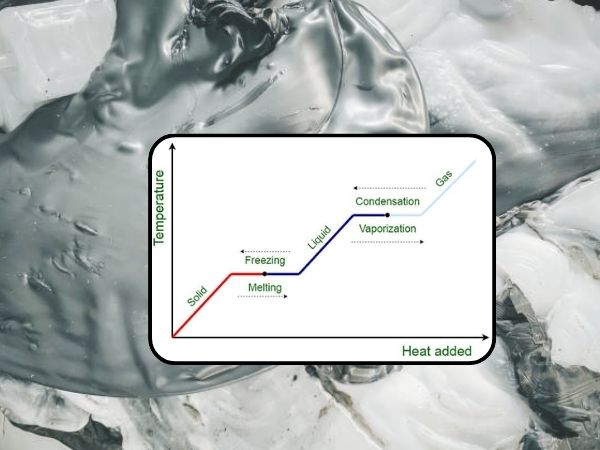
The melting temperature of plastic is the range where polymer chains transition from solid to viscous melt, from around 105°C for PE to over 327°C for PTFE. This article covers melting temperatures of common plastics, influencing factors, and additive solutions to optimize processing. Understanding these parameters helps engineers set machines accurately, reduce scrap, and improve finished product quality.

Learn about the melting temperature of plastic with APEX Vietnam
What is the melting temperature of plastic?
The melting temperature of plastic is the temperature range at which the polymer chain transitions from a solid state to a viscous flow state - sufficient for processing but not yet thermally degraded. It is a core parameter in the thermal properties of plastic materials, determined according to international standards ISO 3146:2022 and ASTM D3418 through differential scanning calorimetry (DSC).
Three distinct thermal thresholds must be clearly differentiated:
- Glass transition temperature (Tg): The point at which the plastic begins to soften gradually, transitioning from a hard, brittle state to a rubbery state, but without yet becoming liquid.
- Melting point: A higher thermal threshold than Tg, at which the material reaches sufficiently low viscosity to fill a mold cavity.
- Degradation temperature: The upper danger threshold, where polymer chains begin to break, releasing toxic gases and permanently damaging the material structure.
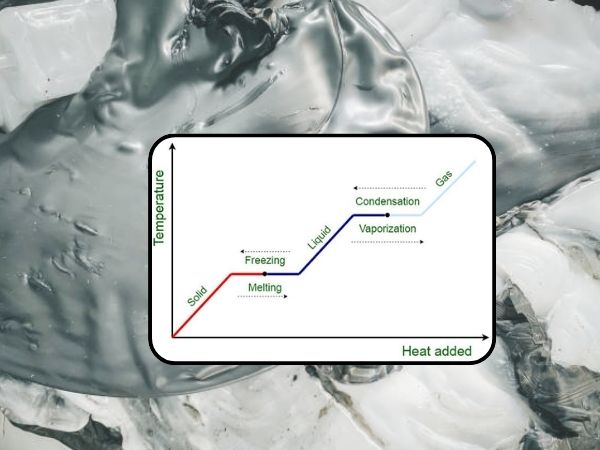
Distinguishing the melting temperature of plastic from other temperature thresholds
In practical injection molding workshop operation, engineers must always maintain the processing temperature within the "safe processing window" between the melting point and the degradation temperature.
Melting temperature of common plastics
The table below summarizes the melting temperatures of plastics commonly used in the industry as a reference for setting barrel and mold temperatures:
|
|
|
|
|
|
|
|
|
|
|
|
|
|
|
|
|
|
|
|
|
|
|
|
Note: The values above are commonly referenced industry ranges. Actual temperatures may vary depending on the resin grade, additive content, and specific processing conditions of each manufacturer.
Melting temperature of PE plastic
Polyethylene (PE) is a thermoplastic with a melting point ranging from 105°C to 135°C, the lowest among common plastics. This makes PE easy to process, energy-efficient, and suitable for high-speed production lines.
PE comes in various forms, including LDPE (low density), HDPE (high density), and LLDPE, each with slightly different melting points depending on its degree of crystallinity. PE is widely used to produce plastic bags, food packaging films, and flexible plastic bottles.
Melting temperature of PP plastic
Polypropylene (PP) has a melting temperature of plastic ranging from 130°C to 171°C, higher than PE but still easy to process. PP offers better heat resistance than PE, high flexural strength, and chemical resistance, making it commonly used for microwave-safe food containers, bottle caps, and household products exposed to moderate temperatures.
Melting temperature of PVC plastic
Polyvinyl Chloride (PVC) has the widest melting temperature range among common plastics, from 100°C to 260°C, depending on whether the PVC is rigid (uPVC) or flexible with plasticizer additives.

Melting temperatures of common plastics
PVC is particularly sensitive to high temperatures and can readily degrade, releasing HCl gas if the allowable processing threshold is exceeded for an extended period. The heat stabilizer system therefore plays a critical role when processing PVC.
Melting temperature of PET plastic
Polyethylene Terephthalate (PET) melts at a relatively high temperature of approximately 250°C to 260°C. PET is a semi-crystalline material with good transparency, high mechanical strength, and effective moisture vapor barrier properties, the leading choice for water bottles, polyester textile fiber, and food packaging film.
One point requiring particular attention when processing PET is the requirement to dry the material before molding, as PET is highly hygroscopic and prone to hydrolysis, leading to reduced viscosity if melted in a moist state.
Melting temperature of ABS plastic
Acrylonitrile Butadiene Styrene (ABS) has a melting temperature range from 210°C to 270°C, placing it in the transitional group between commodity plastics and engineering plastics. ABS combines the rigidity of Acrylonitrile, the toughness of Butadiene, and the surface gloss of Styrene, producing a material with outstanding impact resistance.
This is why ABS is widely used in electrical device housings, children's toys (such as Lego bricks), and numerous automotive interior components.
Melting temperature of other engineering plastics
Besides the common plastics mentioned above, engineering plastics have significantly higher melting temperature of plastic, making them suitable for applications in plastic electronic equipment, load-bearing mechanical components, and harsh thermal environments:
|
|
|
|
|
|
|
|
|
|
|
|
|
|
|
|
|
|
|
|
This engineering plastic group requires injection molding machines equipped with high-temperature-rated barrels and far more precise temperature control systems than commodity plastics, because a deviation of even a few degrees can affect the mechanical properties of the final product.
Factors affecting the melting temperature of plastic
The melting temperature of plastic is not a fixed constant - it is influenced by multiple structural and compositional factors:
- Molecular structure and degree of crystallinity: Semi-crystalline plastics (such as PE, PP, PET, Nylon) have a well-defined melting point due to orderly crystalline regions, while amorphous plastics (such as PVC, PS, ABS, PC) only have a glass transition temperature (Tg) and undergo a gradual phase transition across a temperature range.
- Molecular weight: The higher the polymer molecular weight - that is, the longer the molecular chains, the higher the melting temperature and melt viscosity typically become.
- Additive type and content: Plasticizers, fillers, and fiber reinforcements can significantly alter the actual softening point of materials. For example, flexible PVC has a much lower processing temperature than rigid PVC due to plasticizer additives.
- Resin grade from the manufacturer: Each virgin resin supplier typically publishes its own recommended processing temperature range for each product grade, reflecting differences in the polymerization process.
- Moisture and impurities in raw material: For moisture-absorbing plastics such as PET, PA, and PC, residual moisture can reduce melt viscosity and cause hydrolysis at processing temperatures, resulting in deviations from theoretical parameters.
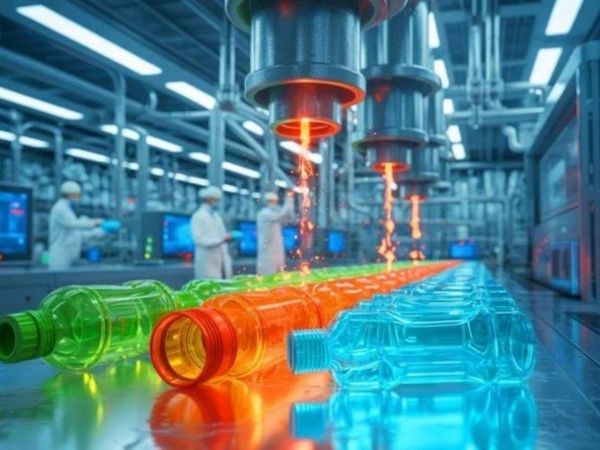
Factors affecting the melting temperature of plastic
How does the melting temperature of plastic affect processing?
In real-world production, the melting temperature of plastic is the foundational parameter for setting the barrel temperature, mold temperature, and injection speed on injection molding machines or extruders.
- If the set temperature is below the actual melting point: The plastic will not reach the appropriate viscosity to fill the mold cavity, leading to short shot defects, visible weld lines, or a rough product surface.
- If the temperature exceeds the allowable threshold: The plastic risks thermal degradation, generating gas, changing color, or losing mechanical properties, particularly with PVC, which is highly temperature-sensitive.
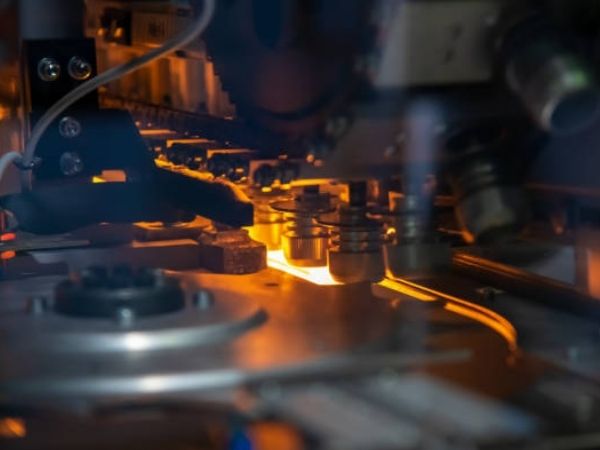
How melting temperature affects plastic processing
In addition, the cooling rate after the plastic leaves the mold depends directly on the melting point: plastics with a high melting temperature (such as PC and PEEK) generally require longer cooling times to achieve dimensional stability, while plastics that melt at lower temperatures (such as PE) have shorter injection cycles - increasing production throughput.
The role of additives in optimizing plastic processability
Virgin resin does not always meet a manufacturing plant's processing requirements or desired product properties right from the start. This is where additives play a key role:
- Heat stabilizers: Help plastic withstand high processing temperatures without degradation, extending resin residence time in the barrel without discoloration.
- Plasticizers: Reduce the actual softening temperature, making rigid plastics more flexible and easier to process at lower temperatures.
- Lubricants: Reduce internal friction and friction against the barrel wall, producing more uniform melt flow and reducing the risk of localized overheating.
- Fillers and fiber reinforcements (filler, glass fiber): Do not directly change the melting point but affect melt viscosity, requiring corresponding adjustments to injection pressure and injection speed.
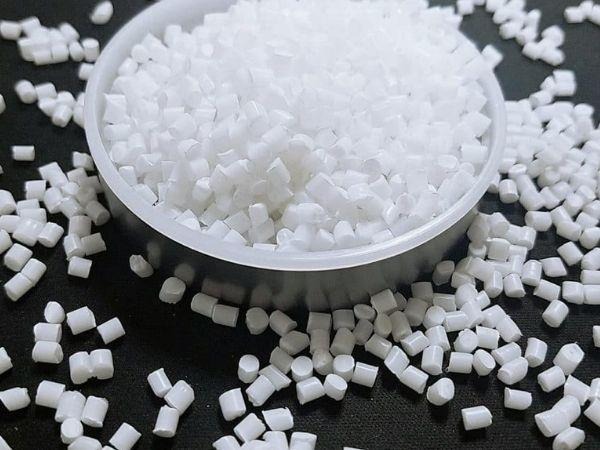
The role of additives in optimizing plastic processing
Accurate control of the melting temperature of plastic, additive systems, and blending ratios helps businesses optimize production processes and improve product quality. With years of experience in plastic materials, APEX Vietnam supports reviewing existing formulations, advising on blending ratios, and selecting suitable additive systems to reduce defects and operating costs. Contact our technical team for free consultation and competitive material pricing!