
BLOG
- Home
- Blog
- Plastic Polymer Composite Article
- Virgin Plastic Pellets vs Plastic Fillers Explained
Virgin Plastic Pellets vs Plastic Fillers Explained
October 07,2026
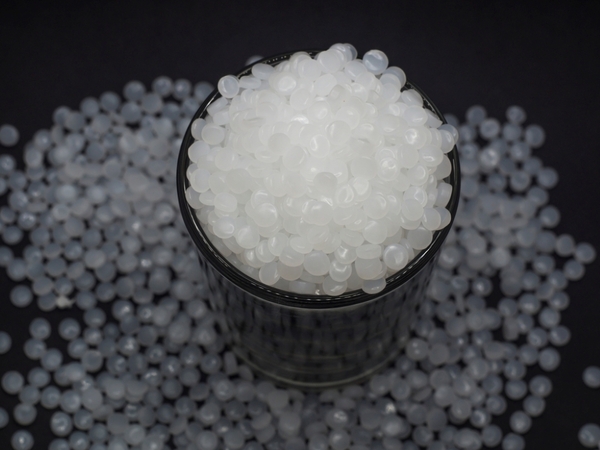
Virgin plastic pellets and plastic fillers are two common raw materials in the plastics industry, but they play different roles. Virgin plastic pellets form the base and determine the main characteristics of the product, while plastic fillers are added to adjust properties and optimize costs. This difference directly affects processability, finished product quality, and production efficiency.
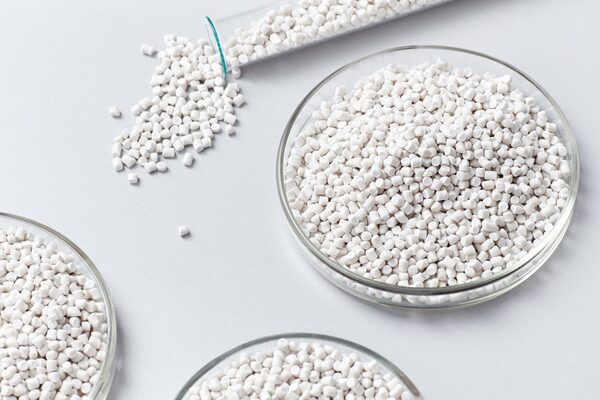
Virgin Plastic Pellets vs Plastic Fillers
What Are Virgin Plastic Pellets?
Virgin plastic pellets are plastic raw materials produced directly from petroleum or natural gas, with no prior use and no recycling process involved. This type of pellet is used as the primary input material for manufacturing a wide range of plastic products.
Depending on their structure and characteristics, virgin plastic pellets are divided into several common types, including PP, PE, HDPE, LDPE, PVC, PET, ABS, PS, and PC. Each type suits different processing methods and product groups.
In practice, virgin plastic pellets are typically chosen for products that demand high stability, aesthetics, or strict quality control. Typical applications include food packaging, medical equipment, children's toys, electronic components, device housings, and engineering plastic products.
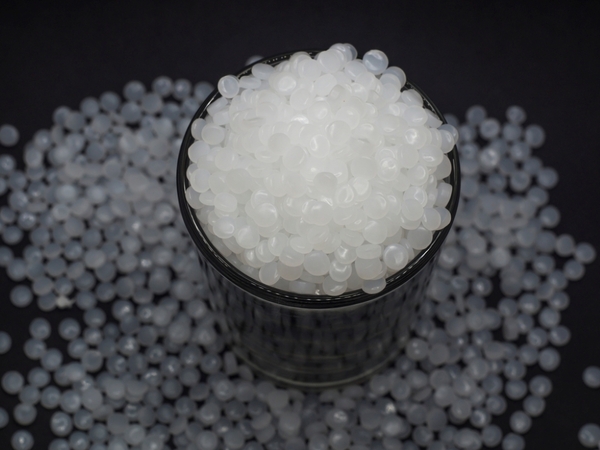
Virgin plastic pellets are pure plastic free of impurities
What Are Plastic Fillers?
Plastic fillers, also known as filler masterbatch or filler pellets, are auxiliary pellet-form materials added to plastic production formulas. The product is typically composed of mineral powder, base resin, and several additives that support dispersion and processing.
CaCO₃ powder (calcium carbonate) and talc powder are the two minerals most commonly used to produce filler masterbatch. The base resin can be PP, PE, PS, or another polymer, depending on the material being blended and the production technology used.
Plastic fillers are used across many sectors, such as the production of plastic bags, agricultural mulch film, woven packaging, plastic pipes, synthetic rattan strands, pallets, and household plastic goods. Each filler line has its own formula, mineral ratio, and base resin tailored to its specific application.
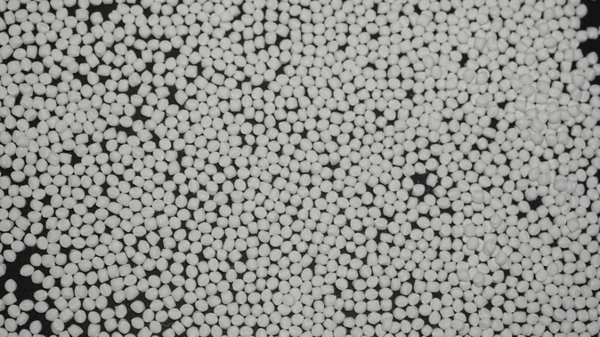
Plastic fillers are typically made from mineral powder, base resin, and additives
Comparing Virgin Plastic Pellets and Plastic Fillers
Virgin plastic pellets and plastic fillers are both widely used in plastics manufacturing, but they differ significantly in composition, function, mechanical properties, and cost. Understanding the difference between the two materials helps businesses choose the right blending formula, optimizing cost while maintaining finished product quality.
Difference in Composition: Organic Polymer vs. Inorganic Mineral
The fundamental difference between the two materials lies in their composition.
Virgin plastic pellets are made mainly of polymer chains such as PP, PE, PVC, ABS, or PET. The material has high purity, has never been used or recycled, and generally does not contain a significant amount of mineral filler.
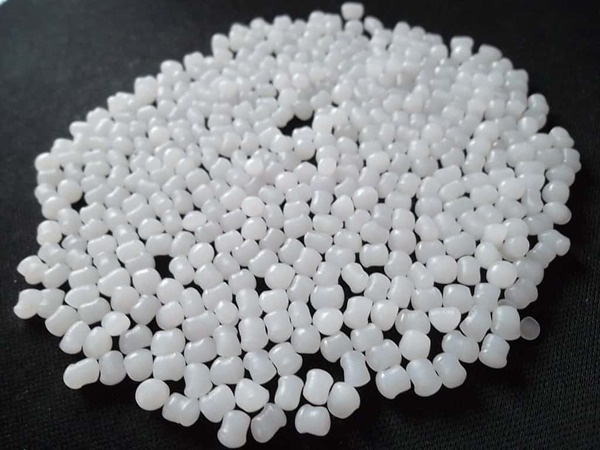
Virgin plastic pellets are composed mainly of polymer chains
Plastic fillers, on the other hand, are a mixture of inorganic mineral powder - most commonly CaCO₃ powder or talc powder - combined with base resin and processing-aid additives. The high proportion of mineral content gives filler masterbatch a different density and processing behavior compared with virgin plastic pellets.
This difference in composition directly affects melting behavior, dispersion, moldability, and the properties of the finished product after processing.
Difference in Function: Base Material vs. Supplementary Additive
Virgin plastic pellets serve as the base material, forming the main structure and determining most of the product's fundamental properties, such as flexibility, tensile strength, impact resistance, and elasticity.
In contrast, plastic fillers are mainly added to the formula to replace part of the virgin plastic, increase volume, and adjust certain properties of the finished product. Filler masterbatch typically needs to be blended with a compatible base resin such as PP, PE, or PS to ensure proper dispersion and processability.
As a result, plastic fillers do not fully replace the base polymer but instead act as a supplementary component in the production formula.
Difference in Physical and Mechanical Properties
Virgin plastic pellets generally help the finished product maintain good flexibility, tensile strength, elongation, and impact resistance. The product also has a smooth, glossy surface and even coloring, making it easier to achieve bright colors or high aesthetic requirements.
When added at the right ratio, plastic fillers can increase hardness, reduce shrinkage, improve dimensional stability, and give the product a denser, sturdier feel. However, because mineral powder has a high density, using too much filler can increase weight and reduce flexibility, tensile strength, or impact resistance of the finished product.
Therefore, the blending ratio should be determined based on the base resin type, the processing technology, and the technical requirements of each product.
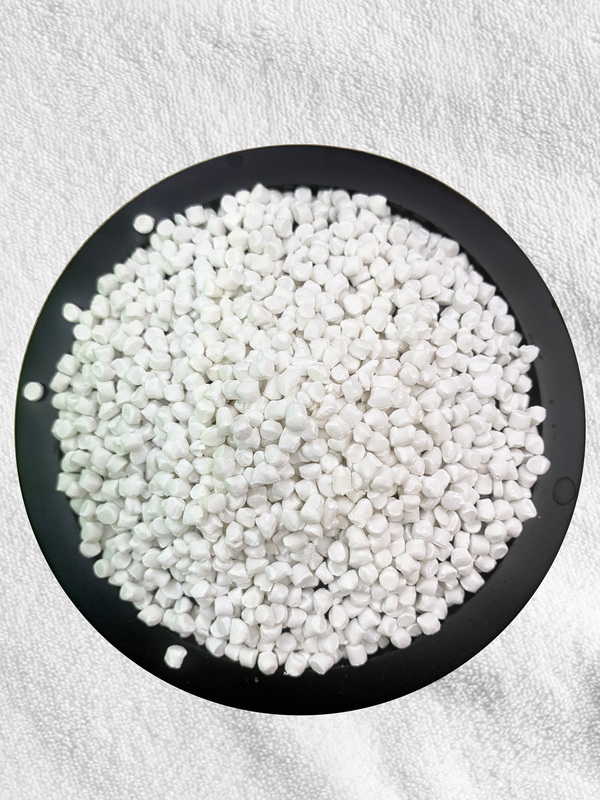
Plastic fillers can increase hardness and reduce shrinkage in the finished product
Difference in Cost
The price of virgin plastic pellets is generally higher and can fluctuate with oil prices, the supply of petrochemical raw materials, transportation costs, and global market conditions.
Plastic fillers, on the other hand, use mostly mineral raw materials such as CaCO₃ powder, so they tend to be cheaper and more price-stable than virgin plastic. Blending in filler masterbatch helps businesses reduce the amount of virgin polymer required, thereby optimizing production costs and improving price competitiveness.
Comparison Table: Virgin Plastic Pellets vs Plastic Fillers
|
|
|
|
|
|
|
|
|
|
|
|
|
|
|
|
|
|
|
|
|
|
|
|
|
|
|
|
When Should Fillers Be Combined with Virgin Plastic Pellets?
Blending plastic fillers into virgin plastic pellets does not reduce product value as long as businesses apply the right timing and ratio. Below are the most optimal cases for combining these two materials:
- Cost optimization: For mass-market, price-sensitive consumer products such as supermarket shopping bags, packaging film, and disposable household plastic items.
- Improved rigidity and shape retention: When a product needs to hold its shape well, withstand high compressive force, and resist warping — such as plastic tables and chairs, support pallets, load-bearing plastic pipes, or ceiling panels.
- Reduced shrinkage: The mineral powder content in fillers helps prevent the plastic from shrinking or deforming after extrusion or injection molding, ensuring the finished product matches the mold dimensions precisely.
- Increased machine output: Mineral powder conducts heat better than plastic. Adding filler allows the product to cool faster in the mold, shortening the production cycle and increasing output per machine shift.
- Matte surface with better ink adhesion: For plastic bags requiring printed branding, adding filler gives the bag surface a slight roughness that improves ink adhesion and prevents smudged printing.
To make filler perform effectively without compromising finished product quality, businesses need to choose the right product and determine the blending ratio based on the base resin type, processing technology, and technical requirements. VNAPEX supplies stable, high-quality plastic filler lines to meet a wide range of production needs. Contact VNAPEX today for advice on the right product and usage ratio.