
NEWS & EVENTS

- Home
- News
- Products Information
- FIBC Bags: A Sustainable Packaging Solution for Large-Scale Supply Chains
FIBC Bags: A Sustainable Packaging Solution for Large-Scale Supply Chains
May 19,2026
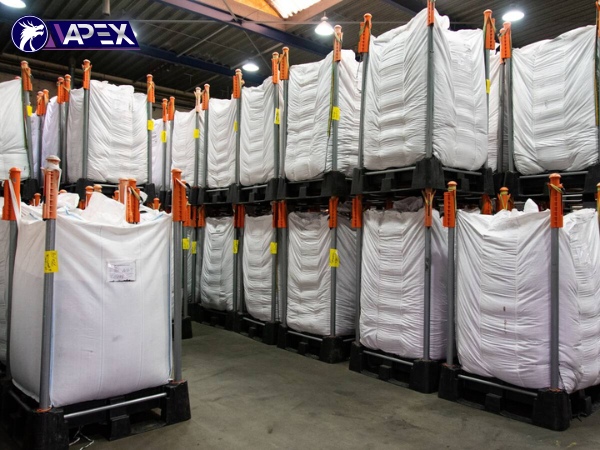
With a load capacity ranging from 500kg to 2000kg, FIBC bags offer flexible solutions for various industries, from agriculture and construction to chemicals. Thanks to their durable woven polypropylene (PP) structure, these products provide a safe packaging solution while optimizing operational costs. They are truly a key link in helping businesses move toward sustainable development.
What are FIBC Bags?
FIBC (Flexible Intermediate Bulk Container) bags are large-sized industrial packaging made from woven polypropylene (PP) fibers. They are designed for storing, handling, and transporting bulk materials with typical load capacities ranging from 500kg to 2000kg.
These bags are also known as jumbo bags or bulk bags and are widely used in industries such as agriculture, construction (sand, gravel), plastic pellets, fertilizers, and chemicals.
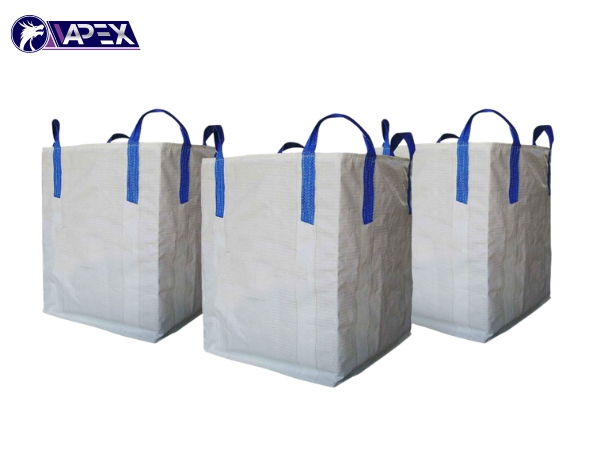
FIBC bags are a type of large-scale industrial packaging woven from PP fibers
Sustainability Features of FIBC Bags
Jumbo bags are highly regarded for their sustainability within modern supply chains. Below are their key characteristics:
Reusable with high durability
FIBC bags can be reused across multiple cycles if properly maintained. Thanks to their strong woven structure, they can withstand heavy loads without tearing or deforming. This helps businesses reduce packaging costs and minimize industrial waste.
Recyclable polypropylene (PP) material
Most jumbo bags are made from polypropylene (PP), a material that can be recycled into various other products. Proper recycling processes help reduce environmental waste and support a circular economy model.
Lightweight for optimized transportation
Although they can carry heavy loads (500–2000kg), FIBC bags remain lightweight, helping reduce transportation costs and fuel consumption. When not in use, they can be folded compactly, saving storage space.
Flexible customization options
Jumbo bags can be designed in various sizes and configurations, including lifting loops, discharge spouts, and inner liners. This flexibility optimizes packaging processes, reduces material loss, and improves logistics efficiency.
Reduced carbon footprint contribution
Through reusability, recyclability, and transport optimization, FIBC bags significantly reduce emissions throughout their lifecycle. They are an ideal solution for businesses aiming for sustainable development.
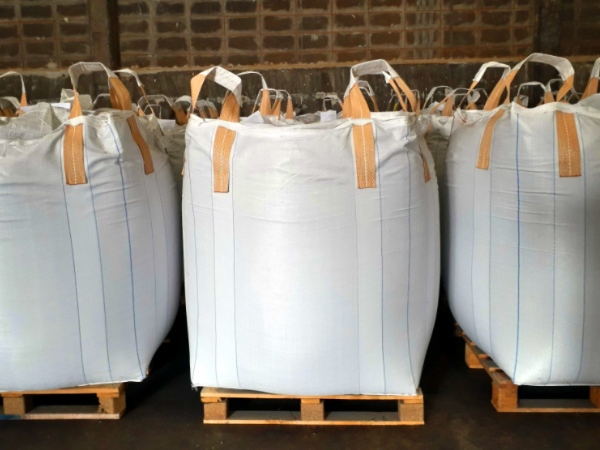
Jumbo bags can be designed in a wide variety of sizes and styles
Applications of FIBC Bags in Sustainable Supply Chains
Thanks to their reusability, transport efficiency, and waste reduction benefits, FIBC bags are widely used across multiple industries. Below are key sectors that effectively utilize jumbo bags:
Agriculture industry
FIBC bags are commonly used for storing and transporting agricultural products such as grains, seeds, and fertilizers. Their strong woven structure helps protect goods from moisture, dust, and product loss during transit. As a result, farmers and distribution businesses can reduce losses, improve economic efficiency, and move toward a more sustainable agricultural supply chain.
Construction industry
FIBC bags provide an optimal solution for transporting and storing construction materials such as sand, gravel, and cement. With their large load capacity, they significantly reduce the need for small packaging units, helping lower packaging costs and labor efforts in handling and loading.
Their durable structure allows them to withstand harsh construction site conditions while being reusable multiple times, aligning with the trend of reducing construction waste. In addition, their stackable design helps optimize storage space, minimize clutter, and ensure smoother construction operations.
Food and beverage industry
FIBC bags are manufactured to meet food safety standards, making them suitable for storing and transporting large quantities of ingredients such as sugar, flour, starch, and dry grains. Their use significantly reduces single-use packaging, helping optimize costs and minimize waste.
With moisture resistance and strong protection against external factors, jumbo bags help maintain the quality and safety of food products throughout storage and transportation.
Chemical industry
In the chemical industry, packaging requirements place strong emphasis on safety and durability. FIBC bags meet these needs with their robust structure and customizable features such as anti-static or conductive properties, enabling the safe handling of flammable or hazardous materials.
In addition, they can be equipped with inner liners to prevent leakage, ensuring that chemicals do not contaminate the environment and comply with strict regulatory standards.
Waste management
FIBC bags are increasingly used in waste collection and transportation, especially for heavy or bulky waste materials. With their large capacity and high durability, they help optimize handling processes, reduce transportation frequency, and lower operational costs.
In recycling and construction waste treatment activities, jumbo bags support efficient sorting and storage, contributing to the development of a circular economy model.
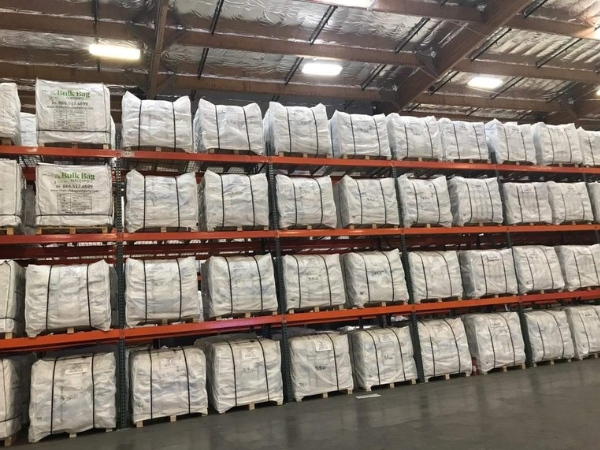
Applications of Jumbo bags in product storage and transportation
APEX – CaCO₃ masterbatch Supplier Optimizing FIBC Bag Performance
VN APEX is one of the leading CaCO₃ masterbatch manufacturers in Vietnam, offering a wide range of products including light, heavy, and surface-treated calcium carbonate to meet diverse technical requirements in the packaging industry. With large-scale production facilities, modern manufacturing lines, and stable output capacity, APEX ensures a continuous and reliable supply for bulk bag manufacturers both domestically and internationally.
Calcium carbonate supplied by APEX helps improve the stiffness, tensile strength, and abrasion resistance of woven PP fibers. As a result, it enhances the load-bearing capacity and tear resistance of FIBC bags while optimizing raw material costs in production.
Integrating FIBC bags into operational processes allows businesses to achieve a dual goal of economic efficiency and environmental responsibility. Their reusability and transport optimization significantly reduce the carbon footprint across the entire supply chain. To further enhance packaging quality, manufacturers can rely on APEX CaCO₃ masterbatch to increase the tear strength of woven fibers. Contact us today for detailed consultation and support.