
NEWS & EVENTS

- Home
- News
- Products Information
- APEX Supplies High-Quality PP Resin for BOPP Film
APEX Supplies High-Quality PP Resin for BOPP Film
May 19,2026
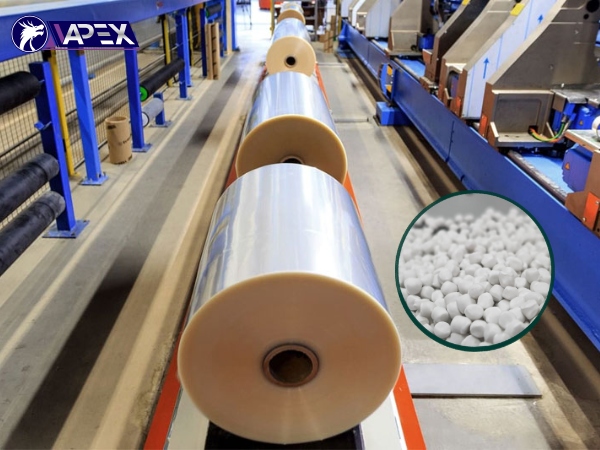
APEX provides high-quality PP resin for BOPP film, meeting strict requirements for durability, clarity, and processing performance in the modern packaging industry. With stable raw material sources and strict quality control standards, APEX helps businesses optimize production efficiency and ensure consistent output quality of BOPP film.
What is BOPP film?
BOPP film (Biaxially Oriented Polypropylene) is a type of plastic film produced from PP resin for BOPP film through a biaxial stretching process (both transverse and longitudinal directions). As a result, this material offers high mechanical strength, excellent transparency, and effective moisture resistance.
Common types of BOPP film
- Glossy BOPP film: A shiny surface that enhances visual appeal and improves color contrast in printing applications.
- Matte BOPP film: A smooth, non-glare surface that reduces reflection, creating a premium and elegant appearance.
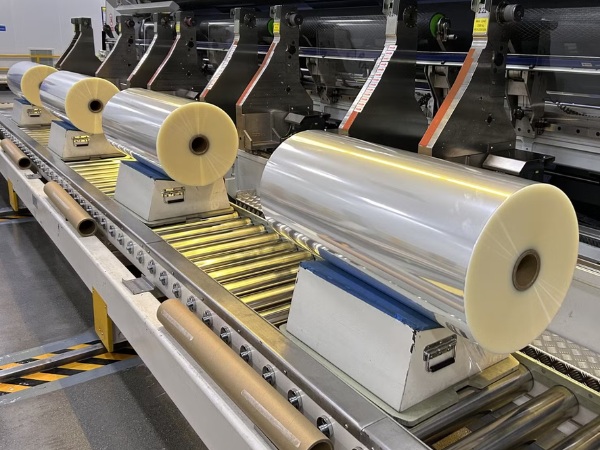
BOPP film is a type of plastic film manufactured from PP resin
Advantages of BOPP film
BOPP film is currently one of the key materials in the flexible packaging industry, thanks to its balance of durability, flexibility, and cost-effective production.
- Good product preservation capability: It has excellent moisture resistance, helping to minimize the impact of external environmental factors on products.
- High transparency: BOPP film offers good clarity, making it suitable for retail packaging and allowing products to be displayed clearly and attractively.
- Aesthetic performance: The surface is suitable for high-quality printing and supports various finishing techniques such as gloss lamination, matte lamination, UV coating, and embossing.
- High mechanical strength: It has strong tensile strength, is difficult to tear, and can withstand forces during transportation.
- Lightweight: Thanks to its low density, BOPP film helps reduce packaging weight, thereby optimizing transportation costs.
- Recyclability: BOPP is a recyclable material (PP plastic group – number 5) and consumes less energy compared to some other types of films.
- Cost efficiency: Compared to many other packaging materials, BOPP film has a reasonable cost, is easy to mass-produce, and is suitable for a wide range of product segments.
Applications of BOPP film
BOPP film is widely used across many fields, ranging from consumer packaging to industrial and agricultural applications.
Food & beverage packaging
In the food industry, BOPP film is used to produce packaging formats such as stand-up pouches, heat-sealed bags, or side-gusset bags. This material helps limit moisture penetration, keeping products stable during transportation and storage. Thanks to its lightweight and durable properties, BOPP is suitable for products such as confectionery, snacks, coffee, and packaged beverages.
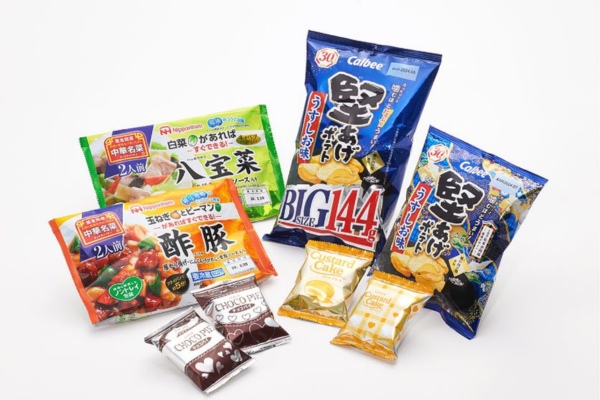
BOPP film for food packaging
Printing industry
In printing applications, BOPP film is commonly used as a lamination layer on paper, cardboard, or other printed materials. This film layer enhances surface durability, reduces scratches, and provides effective moisture resistance. As a result, products such as catalogs, brochures, and posters can maintain their quality for a longer time during use.
Product labels
The smooth surface and high transparency of BOPP film make it an ideal choice for labeling applications. This material supports sharp printing, clearly displaying colors and product information. When used for packaging labels, BOPP helps enhance brand recognition and creates a professional impression on retail shelves.
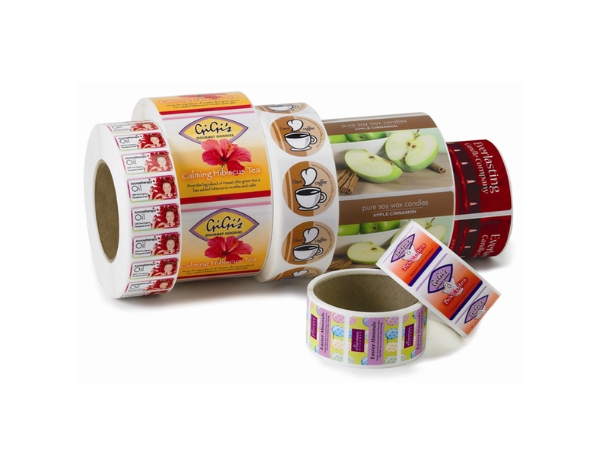
Applications of BOPP film in product labeling
Protective and anti-tamper film
Some BOPP film grades are designed as protective or anti-tamper layers for products. When used in pharmaceutical packaging or electronic components, the film helps control seal opening and limits unauthorized interference.
Personal care packaging
In the cosmetics and personal care industry, BOPP film is widely chosen for its moisture resistance and excellent form retention. Products such as shampoos, body washes, and packaged cosmetics require a stable protective layer to maintain internal quality. In addition, the film surface supports visually appealing packaging designs, aligning well with brand positioning.
Medical packaging
BOPP film is also applied in packaging medical devices and supplies in pouch or blister formats. Its durable and lightweight properties help protect products from mechanical impact during transportation. At the same time, the film’s transparency allows quick identification of contents, making handling and inspection more convenient.
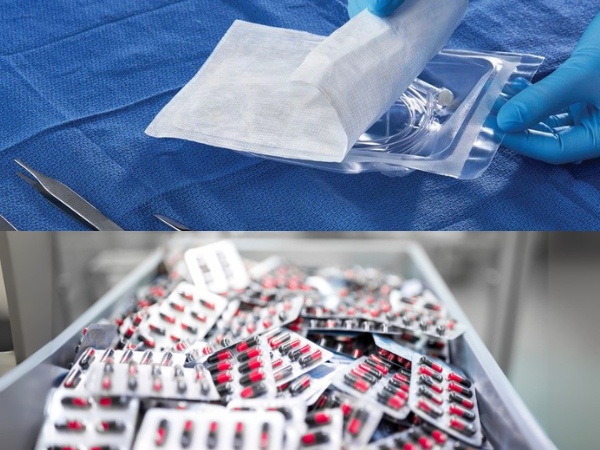
BOPP is applied in medical device packaging in the form of pouches or blisters
Adhesive tape production
In the adhesive tape industry, BOPP film is a widely used backing material due to its strong tensile strength and excellent tear resistance. Packaging tapes made from BOPP offer stable adhesion and perform effectively under various environmental conditions, making them suitable for both industrial and daily packaging applications.
Agricultural film applications
In agriculture, BOPP film is used to produce covering films such as greenhouse films. Its transparency allows light to pass through, supporting plant photosynthesis and healthy growth. At the same time, the film layer helps reduce the impact of weather conditions and external environmental factors, contributing to improved farming productivity and crop yield.
BOPP film production process
The production of BOPP film is based on biaxial stretching technology, which significantly enhances the material’s mechanical strength and optical properties.
Step 1: Raw material preparation
The main raw material is Polypropylene (PP) resin, typically isotactic PP for the core layer. Copolymers may be used for surface layers to improve heat-sealing performance. Additives such as anti-block agents, slip agents, and thermal stabilizers are also incorporated depending on product requirements.
Step 2: Extrusion film formation
PP resin is melted at a temperature of around 200–230°C in an extruder, then passed through a die head to form an initial thin film layer.
Step 3: Chill roll cooling
The molten film is rapidly cooled on a temperature-controlled metal chill roll, forming a stable cast film before stretching.
Step 4: Machine direction stretching (MDO)
The film is heated and stretched in the machine direction through rollers operating at different speeds. This stage aligns polymer chains in one direction, improving tensile strength and reducing thickness.
Step 5: Transverse direction stretching (TDO)
The film is further stretched in the transverse direction in a tenter frame using edge-gripping clips. This process aligns molecules in both directions, creating the characteristic biaxial properties of BOPP film.
Step 6: Heat setting and surface treatment
After stretching, the film is heat-treated to stabilize its structure. The surface is typically treated with a corona process to improve adhesion for inks, adhesives, or metallization layers.
Step 7: Winding and slitting
The finished film is wound into large rolls and then slit into specific sizes depending on end-use applications.
Step 8: Quality control
The final product is evaluated based on criteria such as:
- Thickness and uniformity
- Tensile strength and elongation
- Transparency (haze) and gloss
- Coefficient of friction
- Heat-sealing performance and thermal stability
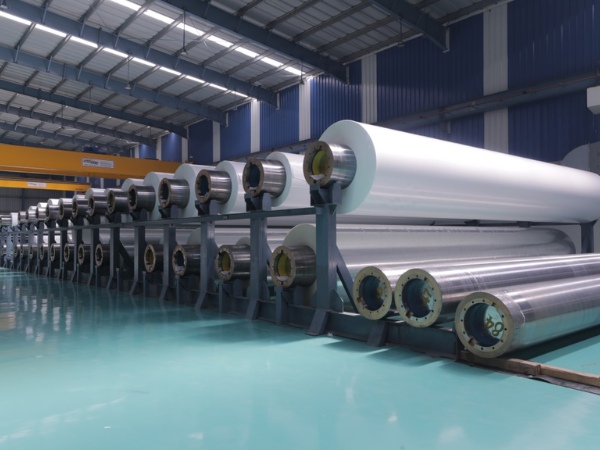
The BOPP film production process is based on biaxial orientation technology
What are the raw materials of BOPP film?
BOPP film is manufactured from PP (Polypropylene) resin. The PP resin used for BOPP film plays a decisive role in the film's mechanical properties, such as load-bearing capacity, tear resistance, and stability during processing.
To meet diverse application requirements, BOPP film is often supplemented with components such as:
- Ethylene–propylene (or ethylene–butylene–propylene copolymers): These improve heat-sealing capabilities, increase flexibility, and support high-speed packaging processes.
- Slip agents: These reduce friction between film layers, facilitating the winding and conversion processes.
- Anti-block agents: These limit adhesion between film layers when stacked.
- Heat stabilizers: These help the film maintain its properties during processing and usage under high-temperature conditions.
APEX Vietnam supplies high-quality PP resin
The quality of raw materials plays a decisive role in the performance and stability of BOPP film. APEX Vietnam is a reputable supplier of PP resin for BOPP film, meeting standards for purity, consistency, and processing performance.
APEX Vietnam provides high-quality PP resin for BOPP film with stable supply capacity for large-scale production. Our large-scale supply network helps businesses flexibly select suitable materials for different film grades, ranging from food packaging to industrial applications.
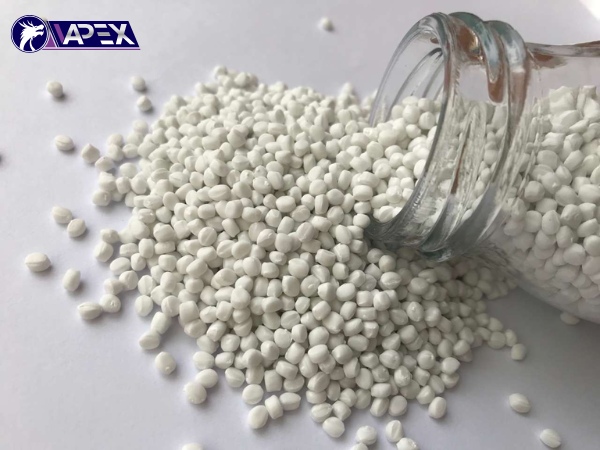
APEX Vietnam supplies high-quality PP resin
Not only does APEX supply products, but it also partners with customers throughout real production operations. The technical team provides support for testing, adjusting blending ratios, and optimizing production line parameters, helping systems run more stably and minimizing production risks.
Choosing the right PP resin for BOPP film helps businesses maintain consistent quality, reduce production defects, and control costs more effectively over time. If you are looking for standardized, uniform PP resin with technical support during operation, APEX Vietnam is ready to accompany you. Contact APEX today for consultation on the most suitable resin grade!