
NEWS & EVENTS

- Home
- News
- Products Information
- Reduce Foam in Paint: Causes and Effective Solutions
Reduce Foam in Paint: Causes and Effective Solutions
May 19,2026
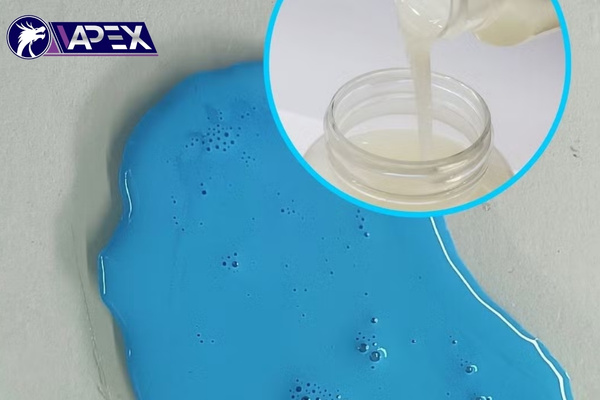
Reducing foam in paint is an essential step to minimize the presence of trapped gas phases within a liquid medium that form unwanted air bubbles. Applying advanced solutions to reduce foam in paint during both the manufacturing and application stages helps prevent defects that can compromise the aesthetic quality of the finished surface. APEX Vietnam's technical specialists have compiled the most advanced technical solutions to comprehensively address this issue.
What Is Foam in Paint?
Foam in paint refers to the dispersion of air within a water-based or oil-based paint medium, producing tiny bubbles on the surface. Vigorous mixing or wet surface conditions typically trigger the formation of these air pockets. As the paint film dries, these bubbles either burst or become trapped, causing technical defects such as pinholes, surface stickiness, and a significant reduction in the durability of the industrial coating.
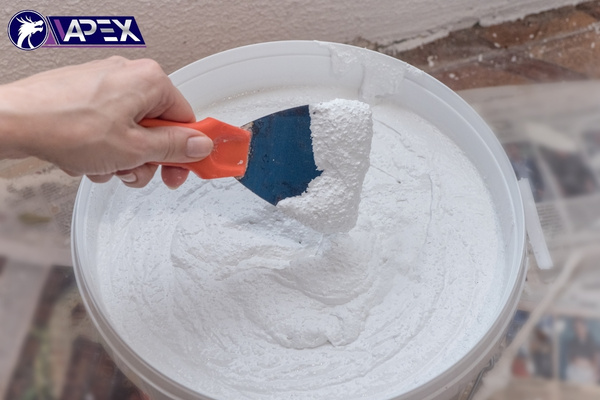
Foam in paint reduces both the aesthetic appeal and durability of the coating.
The Harmful Effects of Foam in Industrial Paint
The presence of air bubbles causes serious consequences for the quality of protective coatings. Once these bubbles burst, they leave behind microscopic voids that allow corrosive agents to easily penetrate the material surface.
Below are the specific harmful effects that air bubbles cause to industrial paint systems - and why painters must take steps to reduce foam in paint:
- Disruption of the paint film structure: Pinholes create weak points that cause the paint film to lose its waterproofing capability and fail to protect the substrate beneath.
- Reduced aesthetic value: The painted surface becomes rough, uneven, and marked by burst-bubble craters, which erodes customer confidence.
- Increased remediation costs: Contractors are forced to sand away the defective layer and reapply from scratch, resulting in wasted labor and materials.
- Reduced adhesion: Air bubbles trapped at the interface between the paint and the substrate prevent chemical bonding, leading to premature peeling.
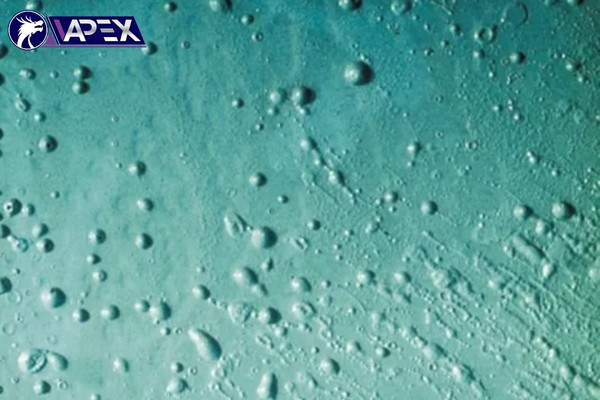
The Harmful Effects of Foam in Industrial Paint
Causes of Foam in Paint
Chemical engineers must conduct a multifaceted analysis to accurately identify the sources of air bubble formation within a paint system. Every stage - from manufacturing to application - carries different factors that can affect the stability of the paint film.
Mixing and Dispersion Processes
Mechanical equipment plays a central role in homogenizing the chemical components within a paint system. However, excessive shear force creates conditions that allow air to penetrate deeply into the liquid solution.
- Excessively high impeller speeds generate intense vortex zones that draw air into the paint system faster than it can naturally escape.
- Improperly shaped impeller blades (e.g., high-angle Cowles disk blades used in low-viscosity systems) create turbulent flow that drives air deep into the liquid medium.
- Prolonged mixing after adequate dispersion has already been achieved increases the amount of dissolved air.
- Mixing at low temperatures slows the rate of air escape due to the elevated viscosity of the paint system.
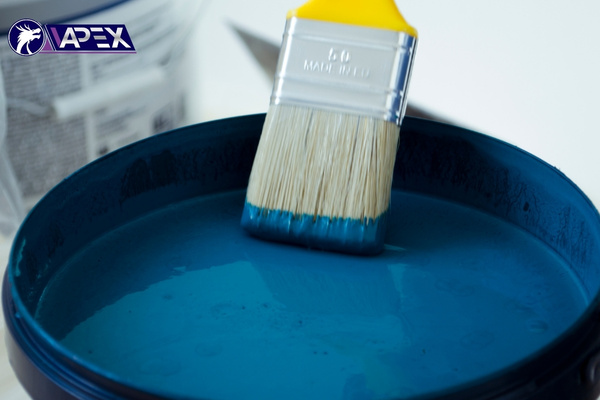
Mixing and dispersion processes are a primary cause of foam in paint.
The Presence of Surfactants
Wetting and dispersing additives play an important role in stabilizing pigment particles and resins. However, these compounds also inadvertently reduce the surface tension of the liquid, creating a favorable environment for air bubbles to persist longer.
Specifically, surfactants form a film around air bubbles that prevents them from naturally breaking. This phenomenon makes the bubbles more stable and allows them to persist throughout the paint curing process.
Viscosity and Paint System Structure
Viscosity directly affects the paint system's ability to release foam:
- Viscosity too high: Air becomes trapped within the system; bubbles cannot rise to the surface and break. This issue is especially severe in two-component epoxy paints or high-build coatings.
- Viscosity too low: The wet paint film surface lacks sufficient "hold," causing bubbles to burst quickly but forming pinholes before the film has time to level out.
Beyond viscosity, the rheological structure (thixotropy, pseudoplasticity) also has a major impact. Paint systems with a strong gel structure at rest (high yield stress) will hold bubbles in a "frozen" state, preventing them from migrating and escaping.
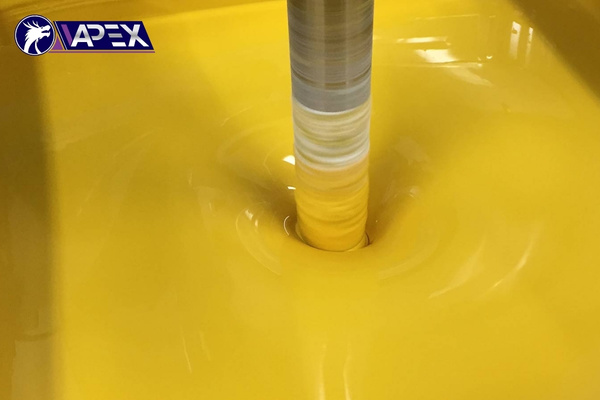
Viscosity and structure cause foaming in paint
Application Conditions (Temperature, Humidity, Equipment)
The surrounding environment and tools used have an enormous impact on the final surface quality of the paint layer:
- Low application temperature (< 10°C): Viscosity increases significantly, bubbles cannot escape, and extended drying time allows bubbles to accumulate.
- Excessively high temperature (> 35°C): Solvents evaporate before bubbles can burst, "locking" them into the paint film.
- High humidity: A damp substrate reduces adhesion and creates a barrier that prevents air from escaping from the surface.
- Incorrect spray equipment pressure: Excessively high spray pressure or inappropriate spray tips produce an overly fine paint mist that easily entraps air.
- Roller with inappropriate nap length: Using a short-nap roller on rough surfaces, or a long-nap roller on smooth surfaces, can both generate mechanical foam.
Effective Methods to Reduce Foam in Paint
Applying a coordinated set of technical measures helps control the amount of air generated throughout the entire life cycle of a paint product. APEX Vietnam recommends that users follow a standardized procedure to effectively reduce foam in paint and optimize the quality of the paint film.
Optimizing the Mixing Process
Adjusting the speed and sequence of mixing is a simple measure that delivers immediate results. Painters should:
- Reduce impeller speed to the minimum level sufficient to disperse pigments and solid components. The optimal speed depends on impeller diameter, batch volume, and paint viscosity - and should generally be maintained within a dispersion zone that does not create a vortex pulling air into the system.
- Mix in two stages: Dispersion stage (high speed, short duration) → Finishing stage (low speed, sufficient time for bubbles to escape).
- Add ingredients in the correct order: Add foaming-prone components (surfactants, dispersing agents) before high-speed mixing; add defoamers/antifoams at the end of the process.
- Allow a resting period after mixing: Let the paint batch stand for 15-30 minutes before packaging to allow bubbles to naturally escape.
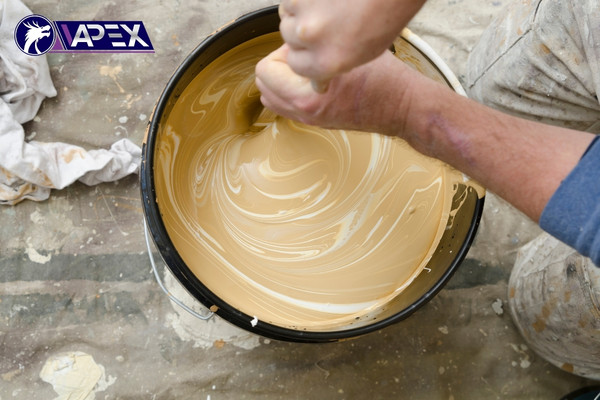
Optimize the mixing process to effectively reduce foam in paint.
Adjusting Paint System Viscosity
Standard viscosity parameters allow the paint to self-level and release air bubbles most effectively before drying. Manufacturers must closely control this parameter according to each specific application method in order to effectively reduce foam in paint.
Below is a reference viscosity table for common paint systems in the industrial sector:
| Paint Type | Viscosity Range | Unit | Application Method |
|---|---|---|---|
| Interior water-based paint | 80 - 120 | KU | Brush, roller, low-pressure spray |
| Exterior water-based paint | 100 - 150 | KU | Brush, roller (sag resistance) |
| Oil-based (solvent-borne) paint | 120 - 180 | KU | Varies by application method |
| Epoxy paint | 500 - 5,000+ | cP | Varies by mix ratio and test conditions |
Controlling Application Conditions
Painters should check substrate moisture and ambient temperature before proceeding with any coating steps. An ideal environment allows the paint film to evaporate solvents evenly and release air effectively.
Additionally, prioritizing the use of short-nap rollers or adjusting spray machine pressure to an optimal level is highly recommended. Rest intervals between coats must also be strictly observed to give air bubbles from the underlying layer sufficient time to escape.
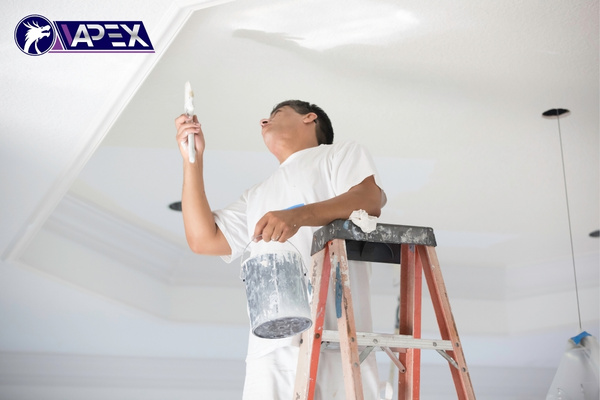
Controlling application conditions is key to achieving the best results.
Ultimately, combining effective foam reduction solutions, including technologies that help reduce foam in paint, with high-quality resin raw materials is the key to enabling businesses to produce flawless products and establish a strong market position. APEX Vietnam is a supplier offering a diverse product portfolio and specialized additives that meet international standards across all industries. Contact us today for a detailed quotation and expert solution consulting!