
NEWS & EVENTS

- Home
- News
- Products Information
- Raw Materials for Marine Coatings: A Comprehensive Guide
Raw Materials for Marine Coatings: A Comprehensive Guide
May 19,2026
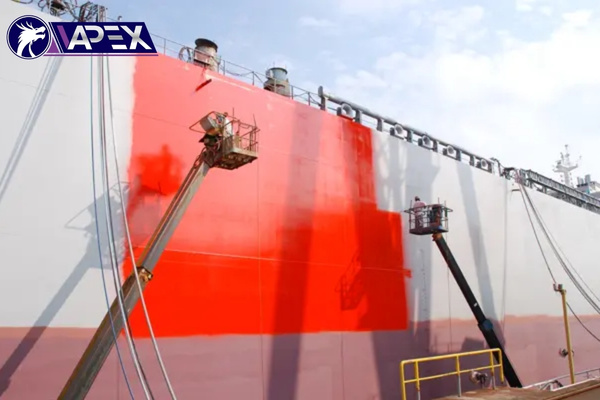
Raw materials for marine coatings are a collection of specially engineered chemical compounds designed to form a protective film on ship surfaces. This material system plays a decisive role in preventing metal oxidation and minimizing hydrodynamic friction as vessels operate across open oceans. APEX Vietnam offers an in-depth look at each core raw material group used in marine coating formulations - helping you make accurate decisions to optimize your formula and secure a stable supply chain.
Key Raw Materials for Marine Coatings
Marine coatings are built from four fundamental component groups: resins, pigments, solvents, and specialty additives. The precise combination of these raw materials for marine coatings delivers the alkali resistance, salt tolerance, and mechanical durability that vessels require.
Resin Group in Marine Coatings
Resins (binders) are the most critical component in marine coating production, responsible for binding pigment particles together and providing adhesion to metal surfaces.
- Epoxy Resin - Superior Durability and Corrosion Resistance: Epoxy resins feature a robust molecular structure that delivers outstanding resistance to chemicals and seawater. They are the preferred choice for primer coats due to their exceptionally high adhesion on steel surfaces.
- Polyurethane Resin - Enhanced Durability and Weatherability: For above-waterline areas, polyurethane resins provide high elasticity, preventing the coating film from cracking when a vessel operates under heavy wave conditions. Notably, PU coating films maintain excellent gloss and color retention while withstanding the harsh impact of solar radiation.
- Alkyd Resins and Other Resin Systems: Alkyd resins are currently used primarily for small vessels or interior areas with minimal direct seawater contact, due to their lower environmental resistance. In contrast, resin systems such as vinyl and silicone are increasingly gaining prominence in premium antifouling coatings, thanks to their specialized performance characteristics.
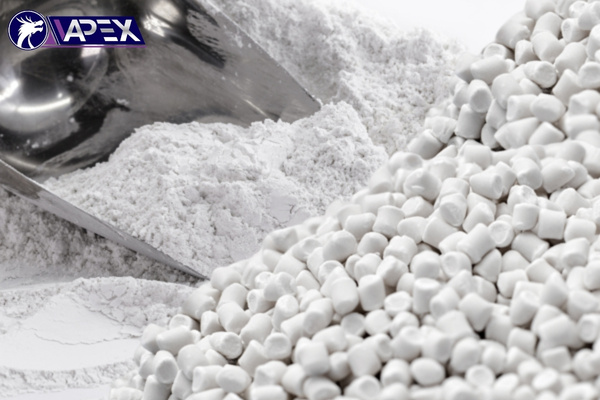
Resin Group in Marine Coatings
Solvents in Marine Coatings
Solvents do not remain permanently in the cured coating film, yet they are a raw materials for marine coatings that is decisive in determining the final surface quality.
- Viscosity Adjustment Function: Solvents dissolve the resin and uniformly disperse pigment particles, enabling the paint to achieve the fluidity needed for spray or roller application. The solvent evaporation rate must be strictly controlled: evaporation that is too rapid leads to pinholes and blistering, while evaporation that is too slow causes sagging.
- Green Trend - Low VOC Formulations: The global maritime industry is tightening environmental regulations. As a result, the current trend is a shift toward low-toxicity solvents or high-solids coating systems to minimize volatile organic compound (VOC) emissions into the marine environment.
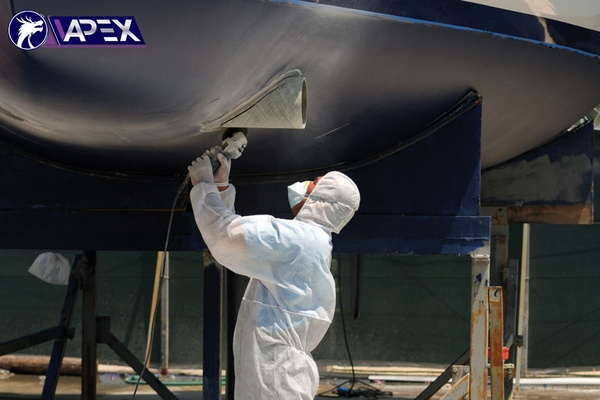
Solvents in Marine Coatings
Additives in Marine Coating Production
Although they account for only a small proportion by weight, additives create the defining difference between general-purpose paints and purpose-built marine coatings.
- Functional Additives: These include anti-settling agents (preventing pigment sedimentation), defoamers (producing a smooth coating film), and dispersants.
- Ocean-Specific Additives: The distinguishing feature of raw materials lies in antifouling additives and corrosion inhibitors. These prevent the attachment of barnacles and algae to the hull, thereby reducing hydrodynamic drag and achieving significant fuel savings during vessel operation.
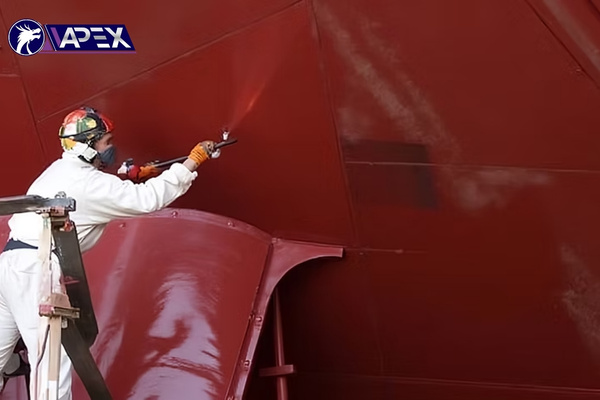
Additives in Marine Coating Production
Extenders (Fillers) in Marine Coatings
Extenders (also called fillers) are often underestimated relative to their actual role in marine coating formulations. In practice, extenders are raw materials for marine coatings that influence at least four critical technical aspects:
1. Increasing Hardness and Abrasion Resistance: Hard extenders such as barium sulfate and microcrystalline silica significantly improve resistance to mechanical abrasion.
2. Improving Hiding Power and Optimizing Cost: Extenders can increase the Pigment Volume Concentration (PVC) in a controlled manner, boosting hiding power without increasing the loading of expensive pigments.
3. Stabilizing the Coating Film Structure: Certain lamellar fillers, such as talc and mica, create an oriented structure within the coating film, extending the diffusion path for water molecules and ions, thereby enhancing barrier performance.
4. Supporting Viscosity Control and Application: Selecting the correct extender type and particle size distribution helps adjust the coating's rheology, preventing sagging on vertical surfaces.
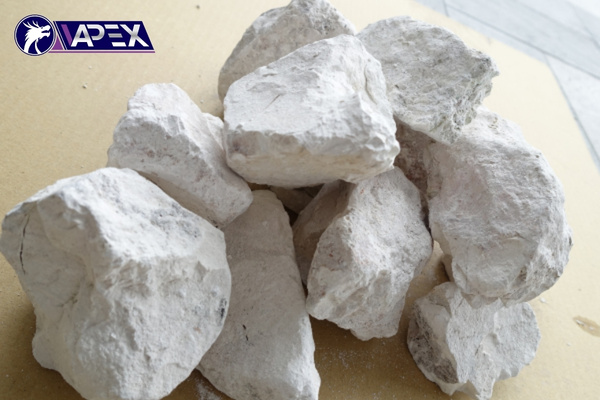
Extenders (Fillers) in Marine Coatings
APEX Vietnam supplies standard-grade extenders for industrial coatings, including talc powder, ultra-fine calcium carbonate, and functional resin beads - all meeting the technical specifications required for marine coating applications. Contact us to request a quotation and free samples.
Selection Criteria for Extenders in Marine Coatings
Manufacturers should evaluate the following four parameters to select the right raw materials for marine coatings, particularly extenders:
1. Fineness and Particle Size Distribution: Particle size directly affects surface smoothness, gloss, and rheological properties. Extenders for topcoat layers require a significantly lower D50 than those used for primers. Additionally, a narrow particle size distribution (narrow PSD) generally delivers more consistent application performance.
2. Purity and Whiteness: Impurities in extenders can trigger oxidation reactions within the coating film, reducing the service life of the coating. High whiteness (GE Brightness) is especially important for light-colored coating systems and copper-red antifouling paints.
3. Compatibility with the Resin System: Surface-treated extenders with hydrophobic surface groups are more compatible with epoxy and polyurethane systems. Conversely, untreated extenders can destabilize the emulsion in waterborne coating systems.
4. Effect on Durability and Corrosion Resistance: Certain extenders can passivate metal surfaces or create a mildly alkaline environment that protects steel, making them highly valuable in marine anti-corrosion primers.
.jpg)
Selection Criteria for Extenders in Marine Coatings
APEX Vietnam - High-Quality Extenders for Industrial Coating Production
Securing a stable, high-quality supply of raw materials for marine coatings is the top priority for manufacturing facilities. APEX Vietnam is a specialized additive and raw material supplier, with a product portfolio developed specifically to meet the stringent requirements of marine coating formulations.
- Marine-grade certified extenders: Strict impurity control, achieving the purity levels required by premium epoxy and polyurethane coating systems.
- Consistent particle size distribution: Ensuring batch-to-batch consistency - critical for industrial-scale production.
- Formulation technical support: APEX's engineering team is ready to advise on the optimal extender selection for each specific coating system.
- Stable supply and on-schedule delivery: Suitable for both long-term projects and flexible orders.
Are you looking for a high-quality source of raw materials for marine coatings, or do you need technical consultation on specialty extenders? Contact APEX Vietnam today to receive the best quotation and technical solutions from our team of experienced specialists.